Why a low barrier to entry actually makes Thrones more accessible
You'd think the most accessible public restroom is the one with the fewest barriers to enter. No doors, no keys, open 24/7. That's true, if that restroom actually stays open.
For many cities, keeping restrooms open and available is easier said than done. Clogs, graffiti, broken fixtures, and loitering can overwhelm an operations team fast. The vast majority of people treat a restroom just fine. It's the 1-2% who misuse it, maliciously or not, that create a vicious cycle of maintenance and upkeep that's hard to sustain long-term. Restroom conditions degrade quickly, and cities end up closing facilities altogether.
A restroom that's closed isn't accessible to anyone. Prolonged downtime is one of the biggest barriers to restroom access, which is why we're taking a different approach to public restroom management.
With a little bit of technology and data, we can proactively address the issues that force most public restrooms out of service. Our accountability-first service model keeps our restrooms clean and available more than 93% of the time.
Let's get into the details.
Accountability keeps public restrooms available
"Everyone deserves access to a restroom. It's a basic human right. But if someone is repeatedly misusing or vandalizing a restroom in a way that takes it away from everyone else, access can and should be removed to preserve the resource for the rest of the community." —Fletcher Wilson, Co-Founder and CEO of Throne
Cities have tried to solve this without any accountability methods, and it's worth looking at why those approaches struggle.
Closing restrooms is the most common response to misuse, but it just pushes the problem elsewhere. People still need to go, so closed facilities tend to increase public urination and defecation nearby, whether that's someone sneaking away from a park barbecue or a public health complaint downtown.
Restroom attendants can work, but they're expensive and imperfect. Staffing adds well over six figures to an annual budget, often limits hours of operation, and still leaves room for inconsistent treatment of who gets asked to leave. Even the private sector struggles with this: businesses like Starbucks have scaled back restroom access to non-customers, even with staff on-site.
Without accountability, cities are left choosing between expensive staffing, restricted hours, or closing the doors. None of those actually expand access.
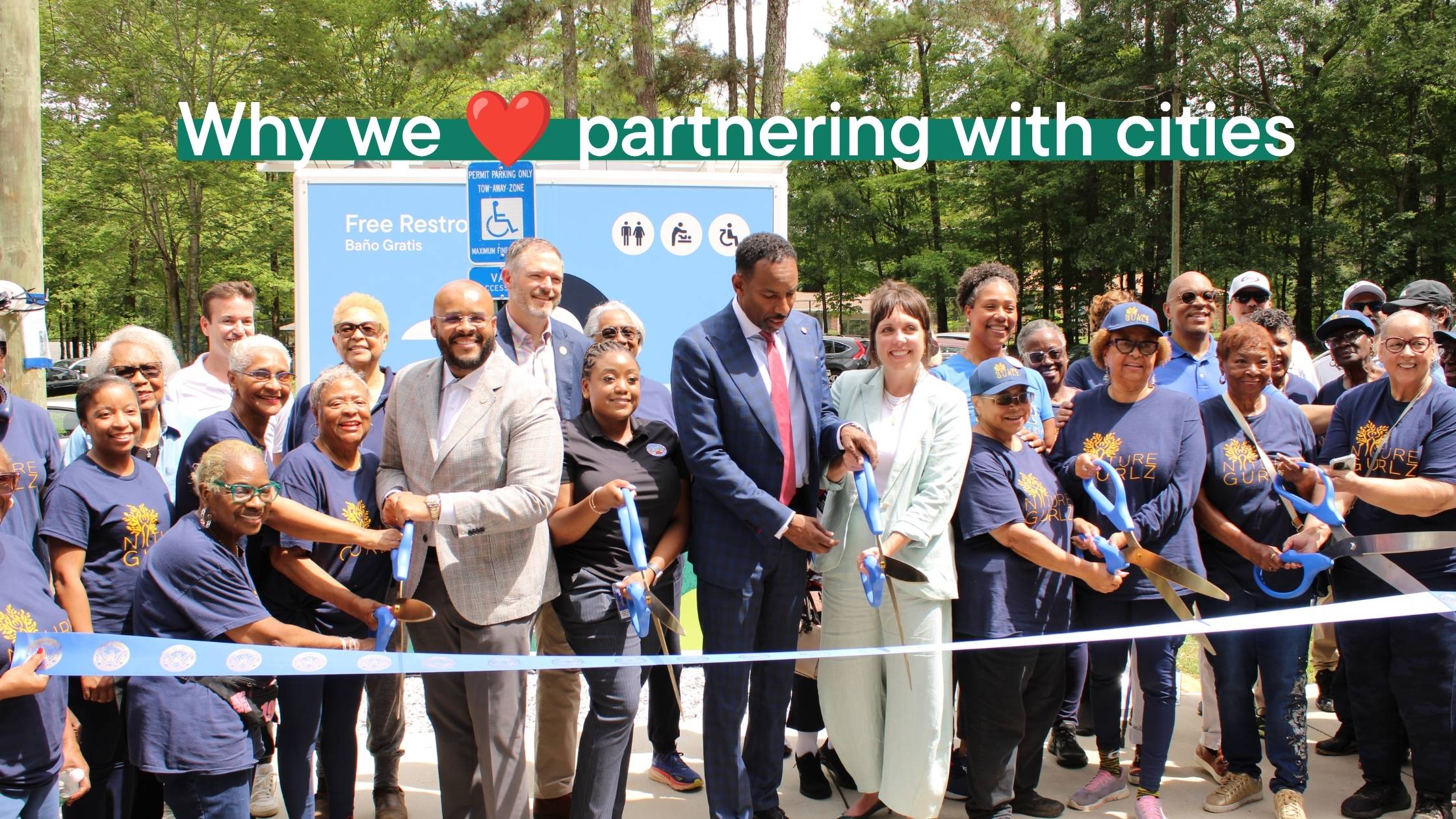
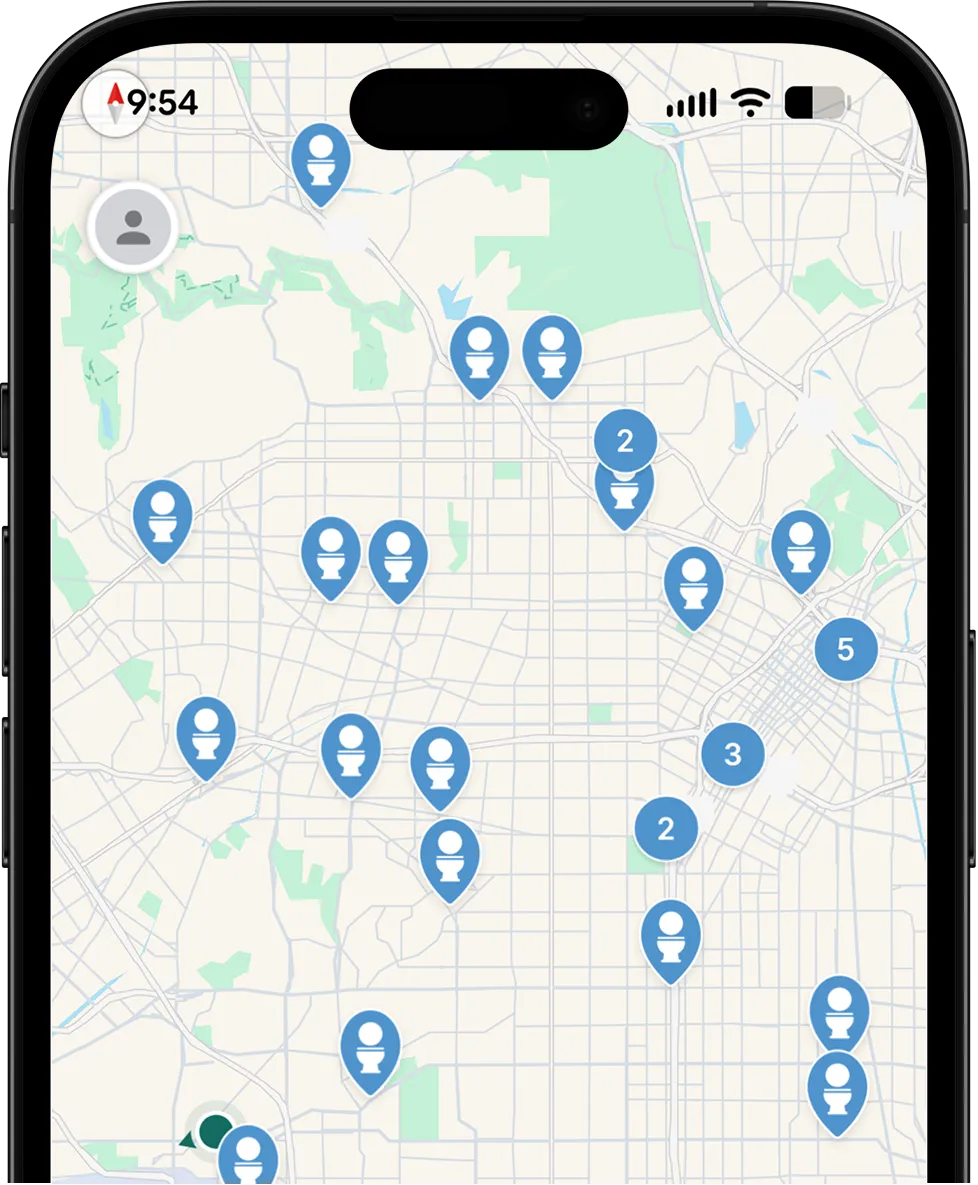
This isn't a hypothetical problem, and some of the country's most forward-thinking cities have already taken it on directly. A study by the Georgia State University School of Public Health, covering February to April 2025, found that out of 262 public and private locations across Atlanta, 55% of public restrooms weren't actually accessible when people needed them. Rather than let that sit, the university’s Center on Health and Homelessness brought the findings to City Council, and the City moved quickly to bring Throne restrooms to 10 diverse locations across the city in May 2026. The results: a 4.1 cleanliness rating and over 90% uptime. Atlanta has already expanded the program, adding units at City Hall.
New York City took a similar proactive approach. An audit of city park restrooms found that one in ten were closed during posted operating hours, so the City issued an RFP calling for modular restrooms with an integrated service model. Throne won the contract and is launching across all five boroughs in Fall 2026.
Public restrooms shouldn't shut down because of the actions of a few people, but that's usually what happens.
By putting user accountability at the center of our service, we prevent the cycle of misuse that forces traditional restrooms to shut down.
How Throne keeps visitors accountable
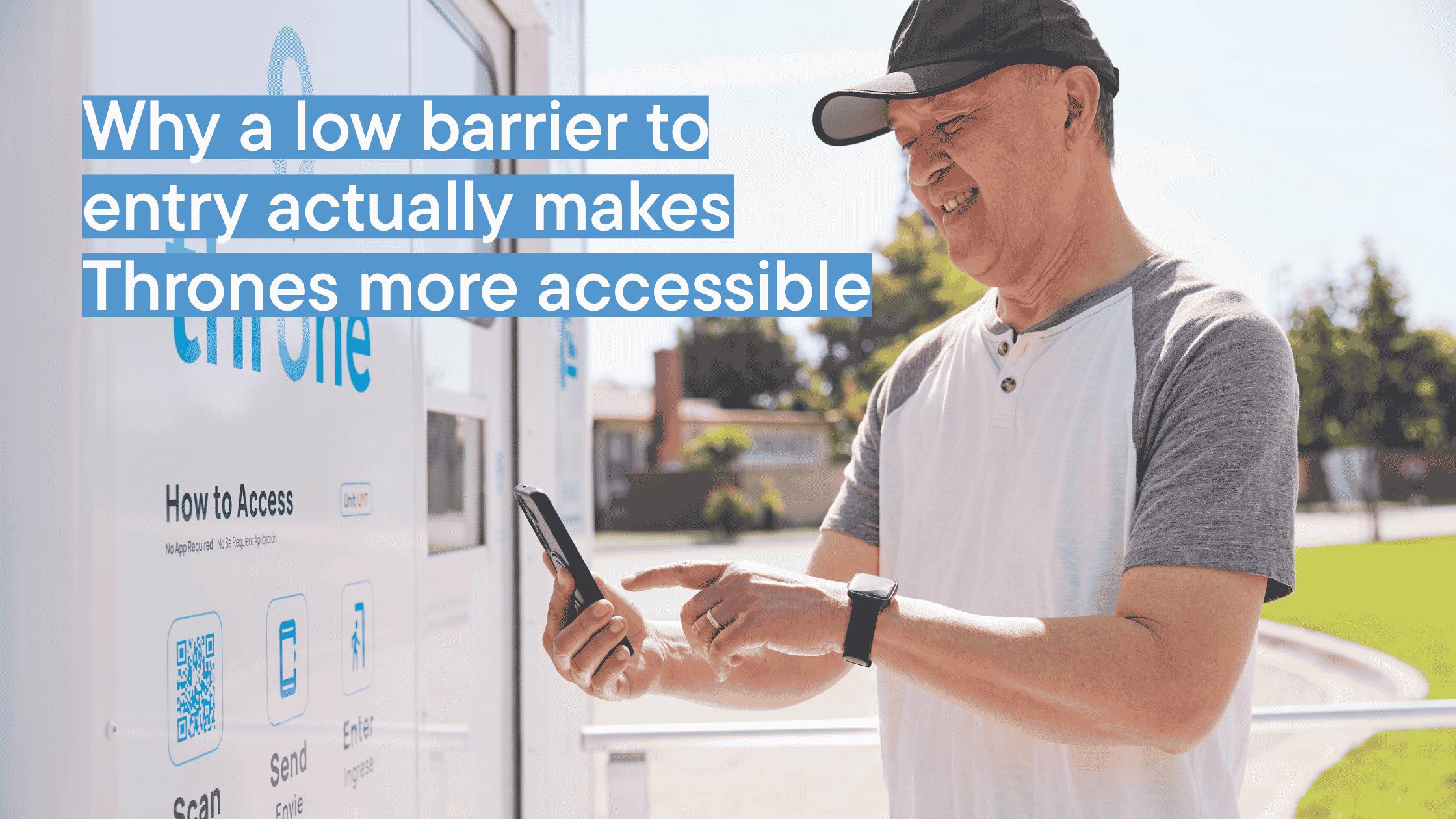
We keep our restrooms available by pairing a low barrier to entry with digital accountability. Digitizing the entry process gives us real-time insight that keeps Thrones clean, available, and safe for the next person who needs one.
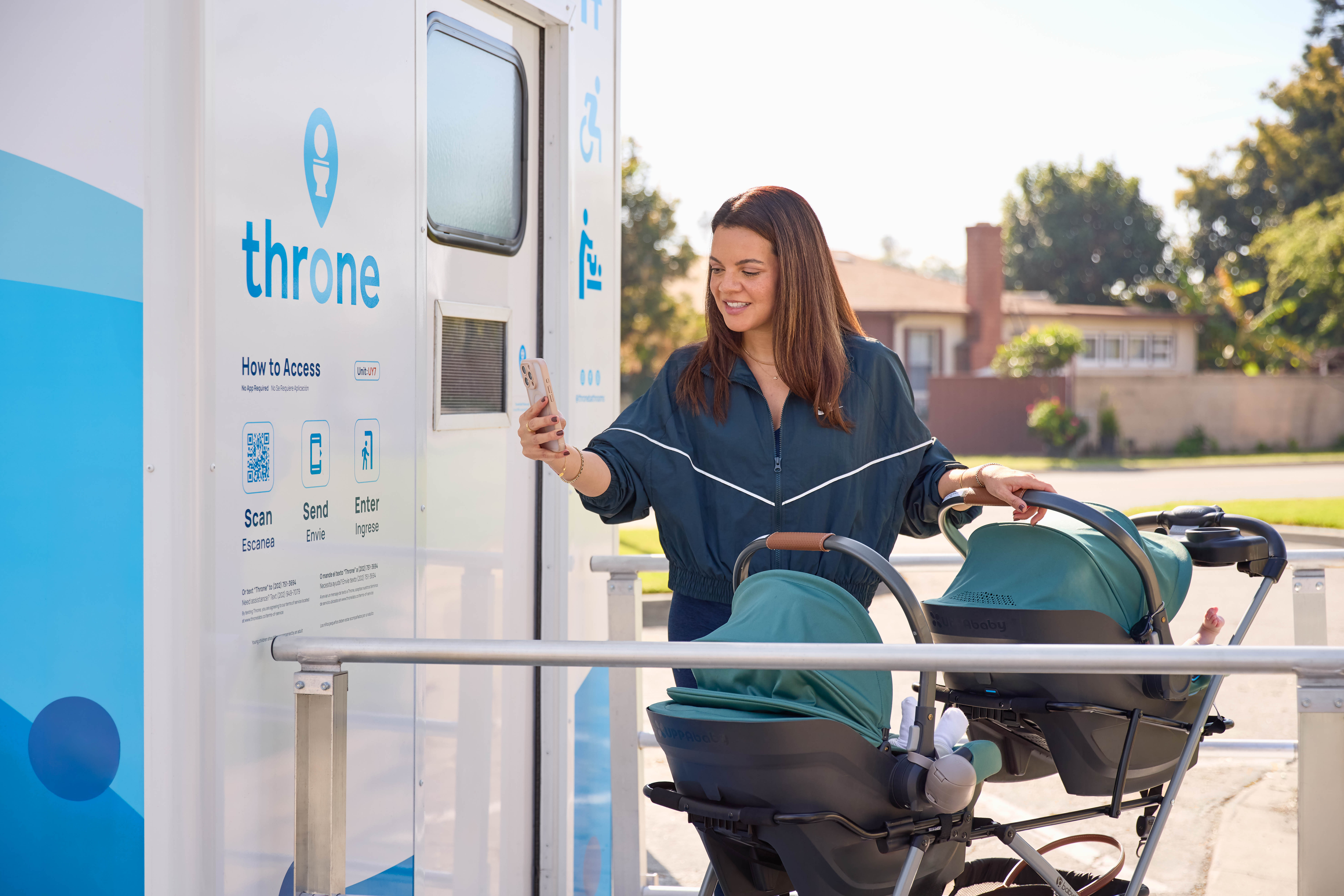
Ties every visit to a person, without identifying them. Every entry, whether by text message, QR code, the Throne Bathroom Network App, NaviLens, or a Phoneless Access Card, assigns a unique, anonymous ID to that session. We don't know who someone is, but the visit is on record. That's a layer of accountability traditional restrooms simply don't have, and it still protects user privacy. Learn how we keep user data private.
Warns before it restricts. Door sensors track visit duration and detect signs of misuse, like smoking or overstaying the 10-minute limit. The first time this happens, the visitor gets a warning message on the spot, letting them know what's expected. Only repeated violations lead to restricted future access. Most people who get a warning don't need a second one.
Makes users part of the solution. On the way out, visitors are asked to rate the cleanliness and flag any issues. This does two things: it notifies our Operations Specialists in real time that a Throne needs attention, and it reminds people that their behavior shapes the next person's experience.

Take a look at how we use data to keep our public restrooms clean, safe, and available for more people.
Throne accountability in action
On average, ~0.2% of users have been restricted. And that number stays low even at our toughest locations. Most people who get a warning message never reoffend.
99.9% of visitors leave within the time limit. Our anti-loitering approach moves people along without anyone stepping in, even at locations where loitering used to be a real problem.
92% of people say they feel safer in a Throne than in a traditional public restroom, according to community surveys. Knowing a restroom is monitored and maintained puts people at ease.
Commitment to access for all. Although less than 2% of Americans don’t have phones thanks to the Federal Lifeline Program, we ensure everyone can get in. We work with local service providers to provide phoneless access Tap Cards to individuals who need them along with education about the accountability system. Locations like Columbia Heights in Washington, DC, have 15-20% of entries via Tap Card.
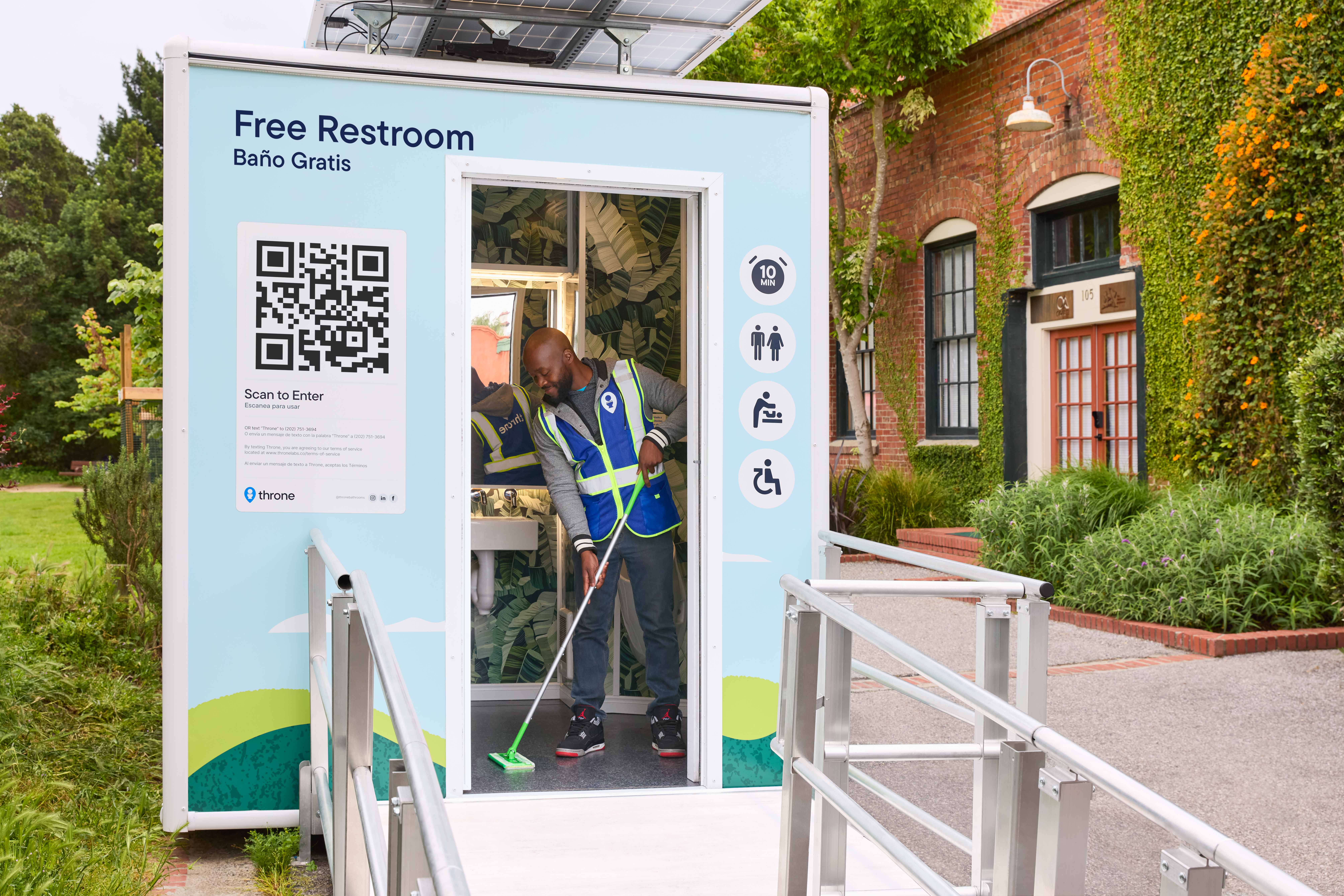
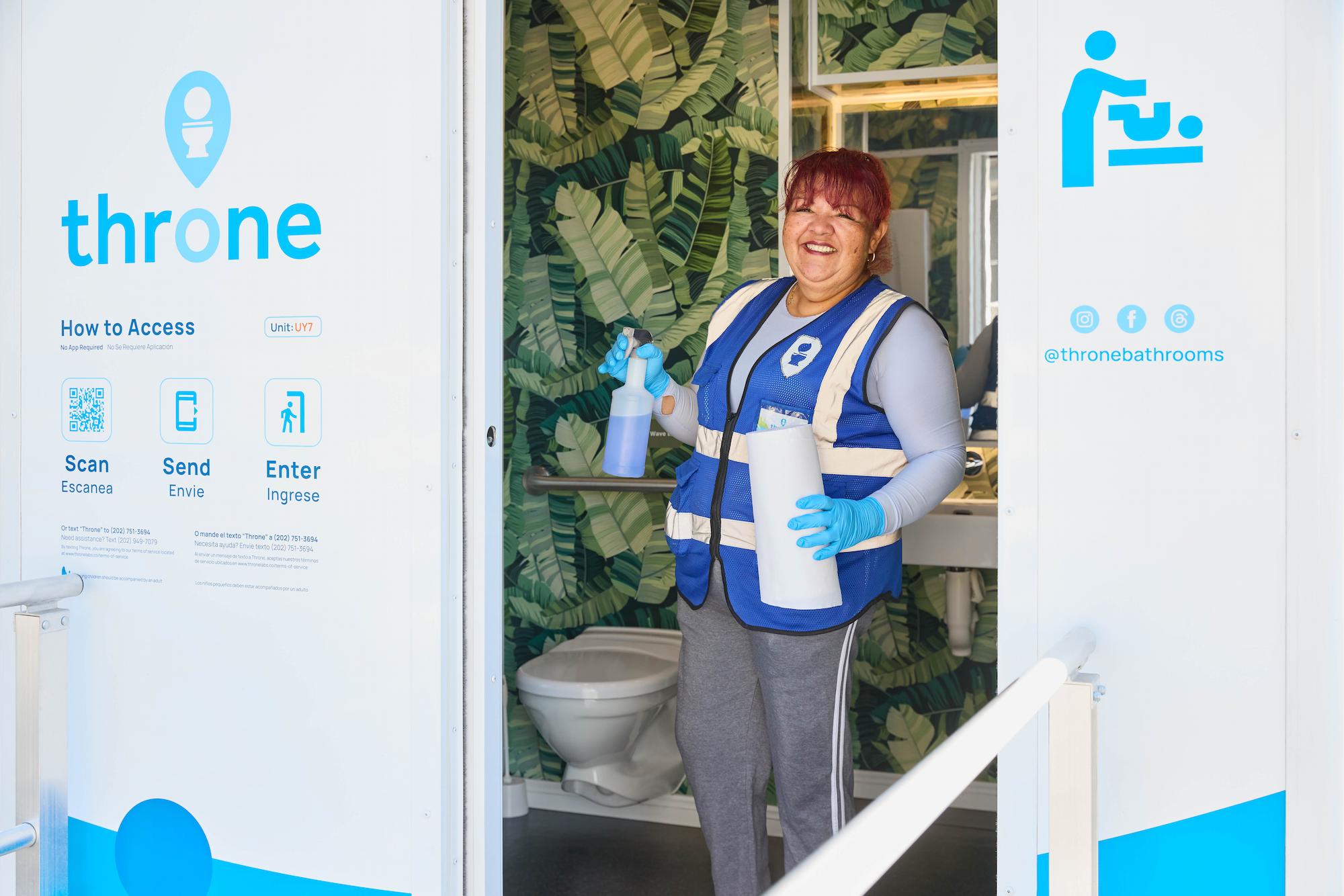
Reliable cleanliness and availability. Thrones average a 4+ out of 5 cleanliness rating, even at our highest-traffic locations. We keep it that way by cleaning based on data instead of a fixed schedule, roughly every 11 to 16 uses, so units get attention exactly when they need it rather than on a set schedule. When something bigger comes up, our Operations Team is on-site in a median of 2.3 hours. A few weeks after we deployed a Throne in Seattle's Pioneer Square, someone broke one of its windows. A community member flagged the damage at 8:14pm on a Sunday, and by 2:16pm Monday the window was replaced and the unit was back in service.
A restroom is only truly accessible if it's open and usable when you arrive. By using technology to close the gap between user behavior and facility management, we're proving that accountability is the key to long-term public restroom availability.
See how other public restroom options compare.
Join us in expanding restroom access
Blog & Resources