How city leaders are building family-friendly cities

What makes a city family-friendly? It’s a question more cities are asking as they work to build communities where residents of every age can live, grow, and thrive.
We asked three city leaders putting families front and center to weigh in. To them, it’s pretty simple: a city that works for families works for everyone. When residents can easily access everything from schools, parks, public transit, and even clean restrooms, the whole community wins.
As Cassandra Chase, mayor of the City of Lakewood, California, puts it, "The ability to push a stroller down the sidewalk safely is the same infrastructure needed for wheelchair users. When we're solving for family, we're solving for everyone in our community."
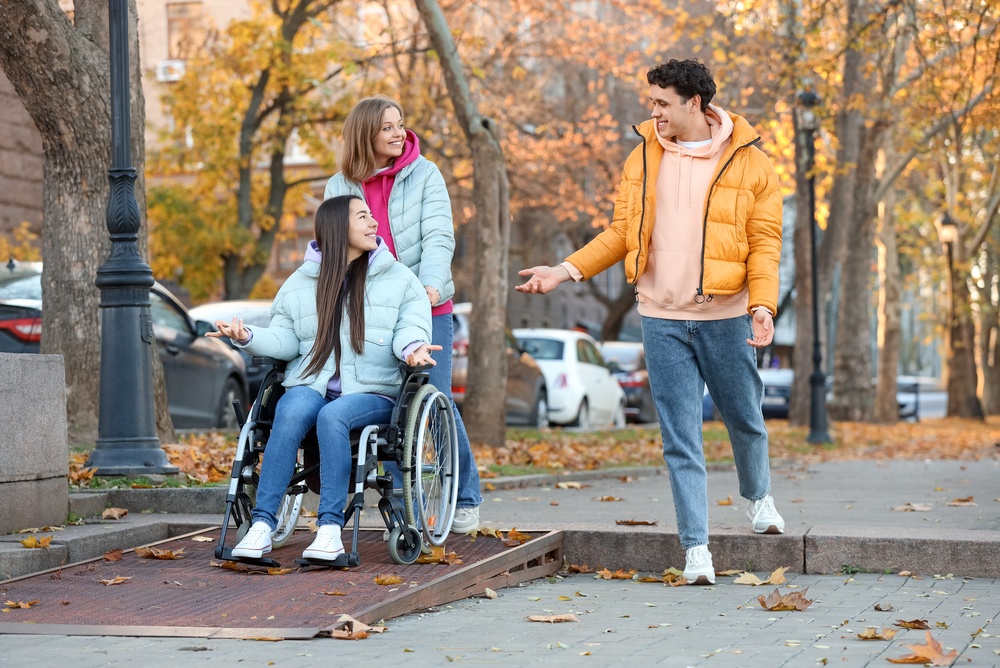
Making decisions through a family-friendly lens also means taking the long-view. Choices made today should benefit children as they grow into parents, and parents as they become caregivers. Chelsea Byers, a city councilmember in West Hollywood, California, describes a family-friendly city as one that plans for residents’ needs across their whole lives. “It’s not a fixed model,” she says.
Investing early in a child’s life also pays dividends. “We’ve seen that child care returns its value,” notes Byers, “When a city has that kind of infrastructure—child care support, early childhood education, preschool, recreation programming, and simply space for families to exist as part of a village, no matter how big that city may be—it returns economic value to the community.”
For all its merit, family-led decision-making isn’t always the default. As a result, public services and spaces don’t always support children, parents, and caregivers in their daily lives. Angelica Ramos-Allen, president of the National Women’s Political Caucus of California, says families often enter policymaking as an afterthought. “Children generally don’t have a seat at the table, but every policy decision does affect them.”
The downstream impacts range from inconvenient to consequential. Even seemingly small decisions, like no-stroller policies on trains, parks without seating, or restroom stalls without doors, impact families in unintended ways.
All of the leaders we interviewed agree: a good gauge of family-friendliness is whether families – children, parents, caregivers, seniors, and really—anyone, can move through a city with ease, live there affordably, access care, and take part in public life.
How city leaders can build family-friendly cities
Treat the budget as a values statement
For Chase, the city budget is a clear reflection of its priorities. “Our budget is our value statement,” she says. Her vision for a family-friendly city rests on five pillars: safety, mobility, affordability, economic stability, and belonging, and uses them to set budget priorities and guide solutions.
But prioritizing family-friendliness starts with leaders who consider the needs of families when making decisions. “Even if there aren’t parents serving on city council, we still need our city councilmembers to be thinking about the parents in our community,” says Byers, “because they’re often the ones juggling work and kids and schedules and commutes and just hoping that their cities are going to have their back at the end of the day.”
Update existing policies and programs
Cities don’t have to wait for a major capital project or new program to make their city more family-friendly. Some of the most impactful changes happen simply by updating the plans, policies, and programs already shaping daily life.
Ramos-Allen points to the general plan as a tool for turning new ideas into implementation. Incorporating child care access, park accessibility, or transit accommodations into strategic plans can prioritize family-friendly projects over the long term.
Reviewing plans through a family-friendly lens also gives leaders the opportunity to identify where families encounter barriers, which departments are responsible for solving them, and how cities can make support easier for families to find.
For bigger challenges, such as low housing supply and lack of child care, Chase and Byers note that zoning can be a useful tool for city leaders. Cities can rezone commercial areas to allow for more child care facilities and two- and three-bedroom homes in different parts of town.
Find hidden barriers in overlooked details
Big plans matter, but the true test of a family-friendly city are in the everyday details: curb cuts along sidewalks, safe bike lanes, parks with shade and seating, transit that allows strollers, and public restrooms everyone can—and wants to—use.
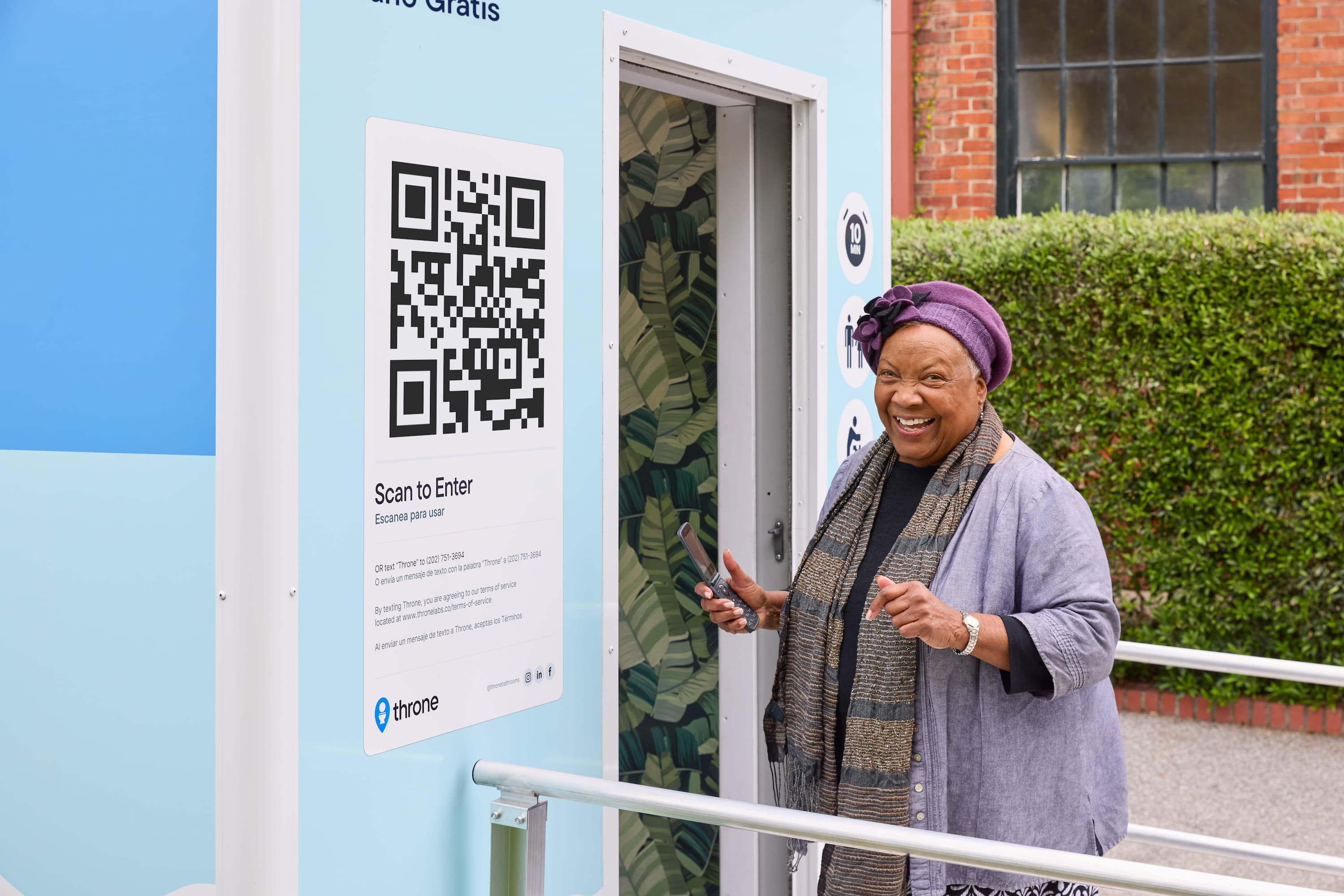
City leaders often overlook these details, usually without meaning to. But these details determine whether people can move through a city safely and easily. For families, it can mean the difference between taking part in city life or planning their days around barriers that shouldn’t exist.
For Ramos-Allen, it was the closure of the only all-access restroom with changing tables in a government building. “I had nowhere to change my child's diaper. So I did it on top of a trash can." When there’s only one restroom with changing tables on every floor, what happens when they’re out of service?
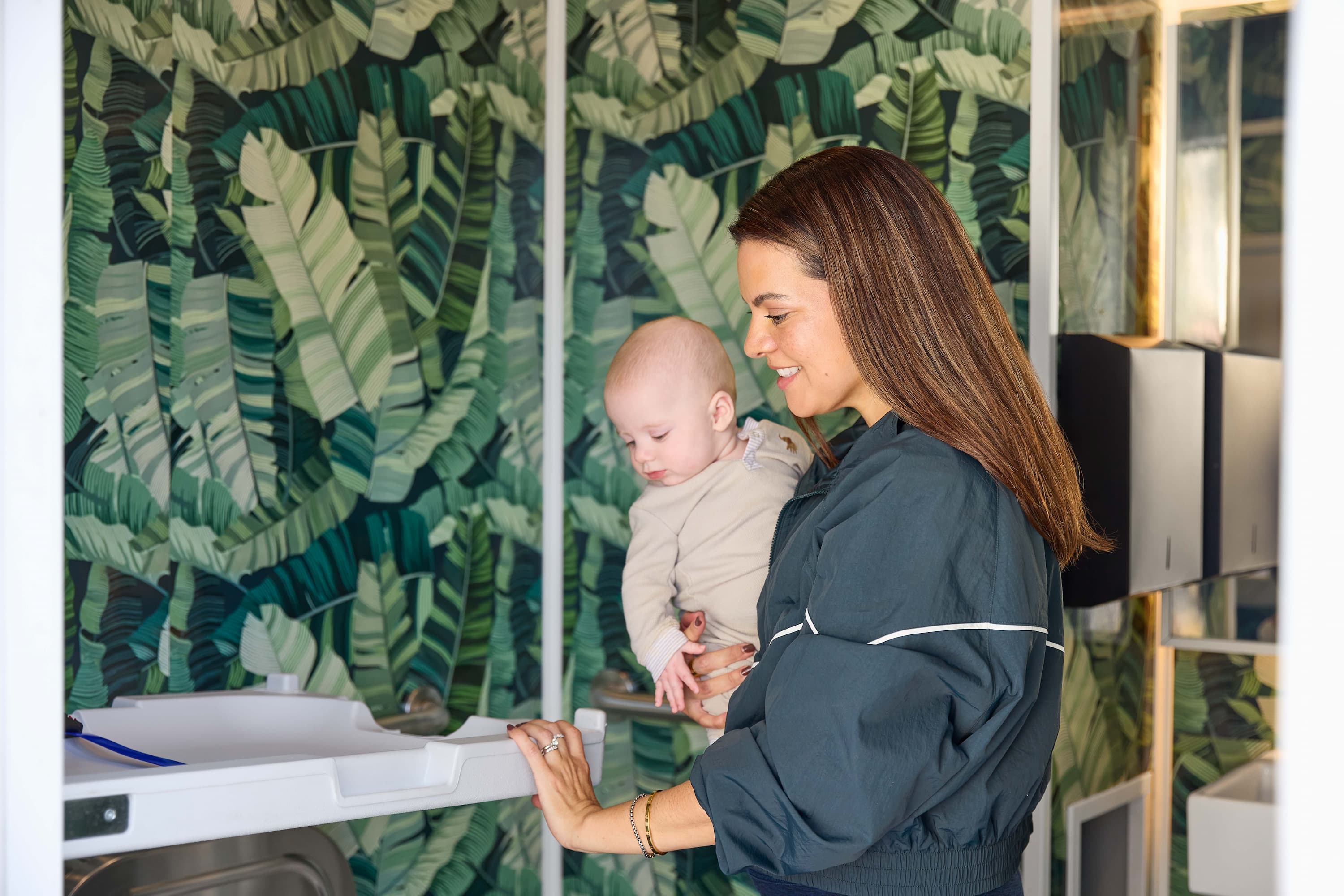
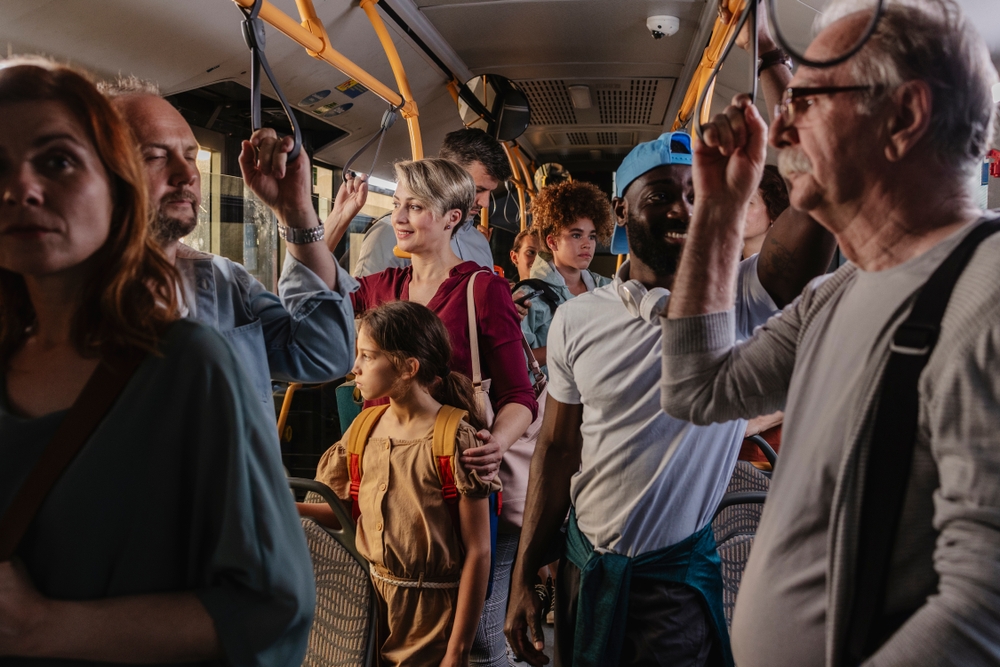
For parents, no-stroller policies on buses and trains mean folding up strollers while juggling their children, which makes public transit frustrating at best. Once they reach the park, shade, seating, and safe restrooms nearby make it easy for families to stay and enjoy the day.
When cities view services through a family-friendly lens, they can spot these overlooked details before they become true barriers to family life.
Proactively listen and connect to families
Families are busy. Many parents don’t have the time or flexibility to attend public meetings, navigate services, or serve on a commission. Without meaningful ways for families to connect with cities, change moves slowly. Byers hears from parents while she's out in her district who can't easily make it to council meetings. As she puts it, “Those are people busy living their lives and hoping their city’s going to have their back.”
Making services accessible to families starts with meeting them where they are. For Byers, that looks like having conversations with her constituents in parks and throughout the neighborhood. This proactive outreach, she says, builds trust when families see their needs reflected in city services, public spaces, and decision-making. It also gives city leaders a community that will support them through the long-term work ahead.
Join leaders already doing the work
Across California and beyond, local leaders are sharing ideas, voicing strategies, and gathering to learn how cities can better support children, parents, and caregivers. Byers, Chase, and Ramos-Allen are creating spaces to do just that.
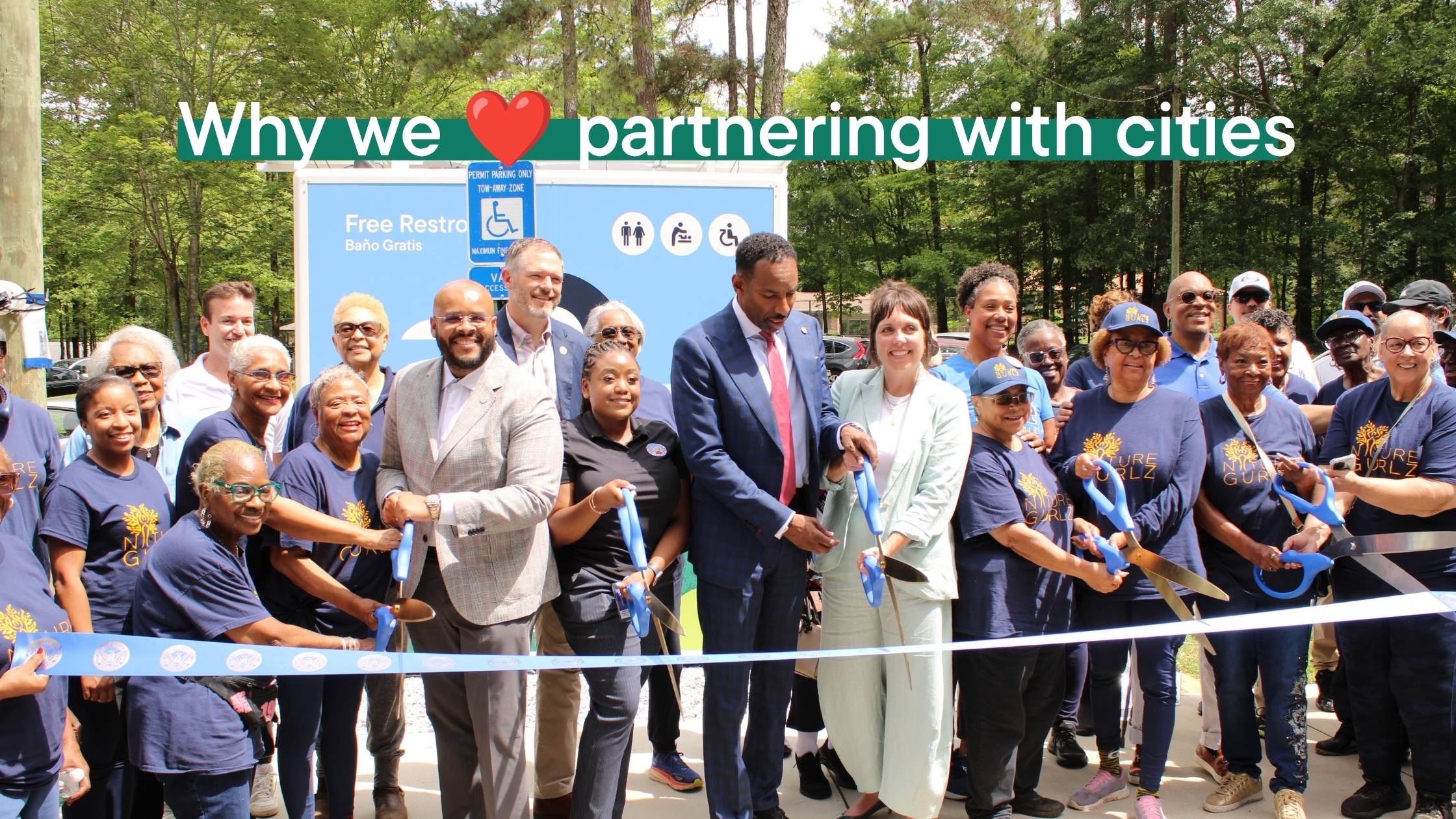
A great example is a recent panel hosted by the League of California Cities Women’s Caucus, led by Chase, the National Women’s Political Caucus of California and us—Throne Labs. Byers, Ramos-Allen, and our co-founder and COO, Jess Heinzelman, joined to discuss the barriers families face while navigating child care, city services and spaces, and the practical ways cities can build infrastructure to support families.
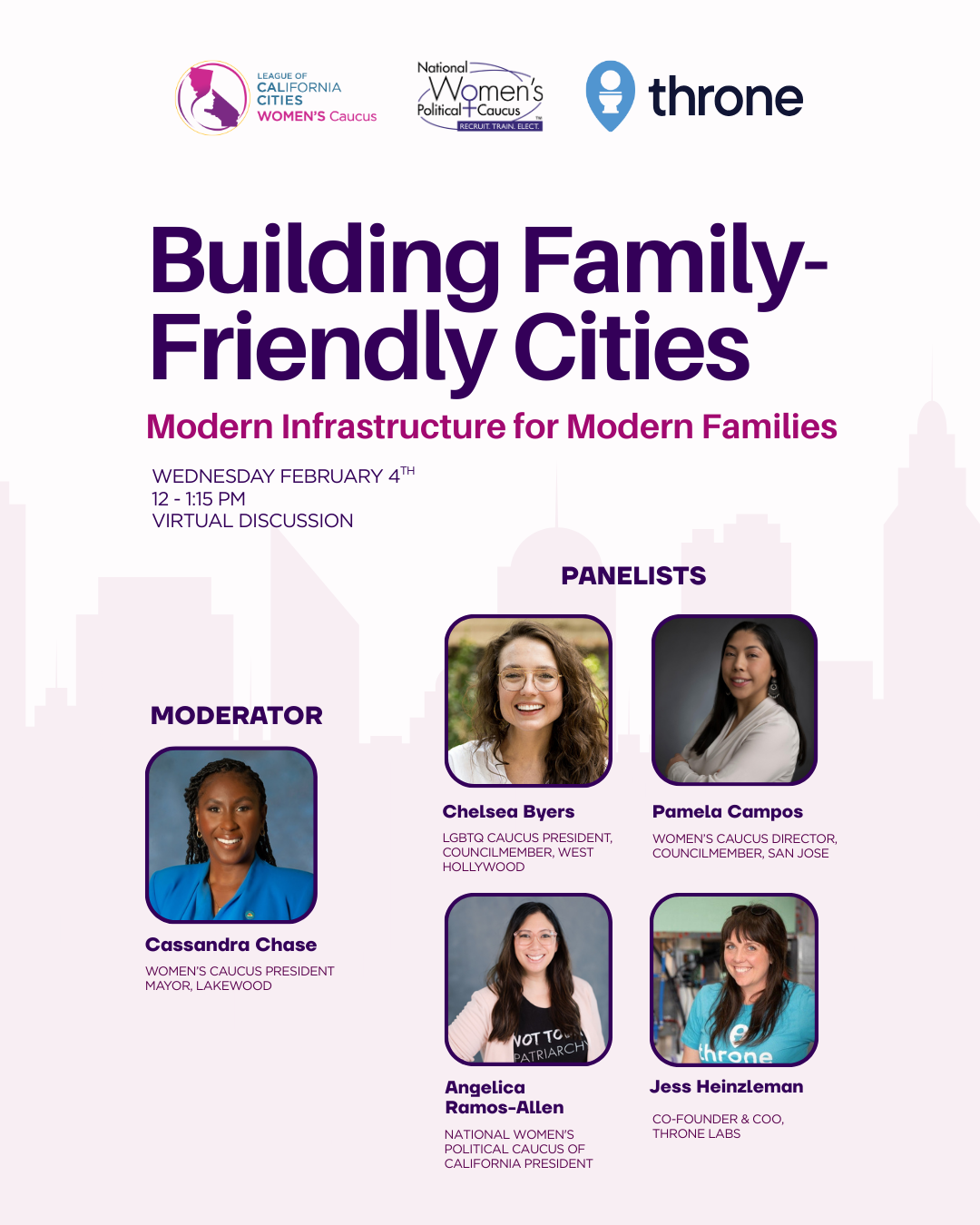
To extend this work and keep the conversation going outside formal discussions, Byers recently launched the Local Leaders for Child Care network, a platform where city leaders exchange ideas for advancing child care and family-friendly policy in their own cities.
Whether through formal networks, panel discussions, or informal conversations, sharing what works is the key to spreading family-friendly ideas from one city to the next. Chase encourages other city leaders to “seek out folks who have done it, have conversations, and figure out how the work can be implemented in your own community.”
Get creative and start now
Building a family-friendly city is a long game. The decisions cities make today, like where child care is located, how parks are designed, and what kinds of homes are built, will shape life for the next generation. “We know how much time it takes and we can’t wait to get started,” says Byers.
For Chase, the work of building a family-friendly city requires imagination. She encourages city leaders to “imagine what we want to see and then do the good work of building what we’ve imagined.” Staying open to new ideas, learning from leaders already doing the work, and listening to the parents, caregivers, and residents who experience city systems every day is how city leaders start to build cities that support generations.
Keep the conversation going
If you're a city leader building toward a more family-friendly community, you don't have to figure it out alone. Here are some options to get started:
- Join the Local Leaders for Child Care network to trade ideas with peers doing this work.
- Watch the full Women's Caucus panel to hear Byers, Chase, Ramos-Allen, and Jess Heinzelman in their own words.
- Reach out to our team below to discuss how you can bring clean, safe, and accessible public restrooms to your community.