Period Equity and Public Restrooms Go Hand in Hand
Written by: Taylor Hatmaker
Surfing the crimson wave. A visit from Aunt Flow. Shark week. The euphemisms for periods are endless, but the conversation isn’t. As much as we love to joke about menstruating behind closed doors, public dialogue about periods is as scarce as a tampon when you really need one.
At Throne, we spend all day talking about the stuff people do in the bathroom. And we’re not alone. We spoke to PERIOD Executive Director Jennifer Herrera about the barriers that people who menstruate face and how the organization’s goals parallel Throne’s own mission to ensure that everyone has a clean, safe place to go.
Periods and toilets aren’t everyone’s idea of a breezy conversation topic, but it doesn’t have to be that way.
Starting the conversation
PERIOD is an organization that gets things done. “Our priority is, in a nutshell, ending period poverty and stigma,” Herrera said. That’s no small task. Around the world, roughly 500 million of the 800 million people who menstruate face period poverty, according to recent estimates.
So what is period poverty? Simply, people experiencing period poverty don’t have the resources they need to manage their periods. They lack adequate access to menstrual products or helpful education about menstrual health, whether due to sociocultural stigma or limited financial resources.
Those circumstances affect a shocking number of people, not just globally but even in some of the wealthiest countries in the world. In the U.S., two out of every five adults and one in four students struggle to afford menstrual products.
“A lot of people don't recognize that this is an issue that is happening right here in this country because it is considered a private matter,” Herrera said. “We want to end that stigma because [it] is a huge barrier to access, affordability, and being able to care for your body.”
PERIOD is moving the needle on period poverty by distributing menstrual products to communities in need, advocating for period-friendly policies and empowering youth volunteers in chapters around the globe. The first step? Getting people talking about periods.
“The more people talk about it, the less stigmatized it will be,” Herrera said. “So much of our population is penalized by the stigma. They're having a hard time navigating [periods], accessing products, accessing restrooms, and there's so much shame that has historically surrounded the stigma – that's just such a barrier that we have to break through.”
Lifting people out of period poverty
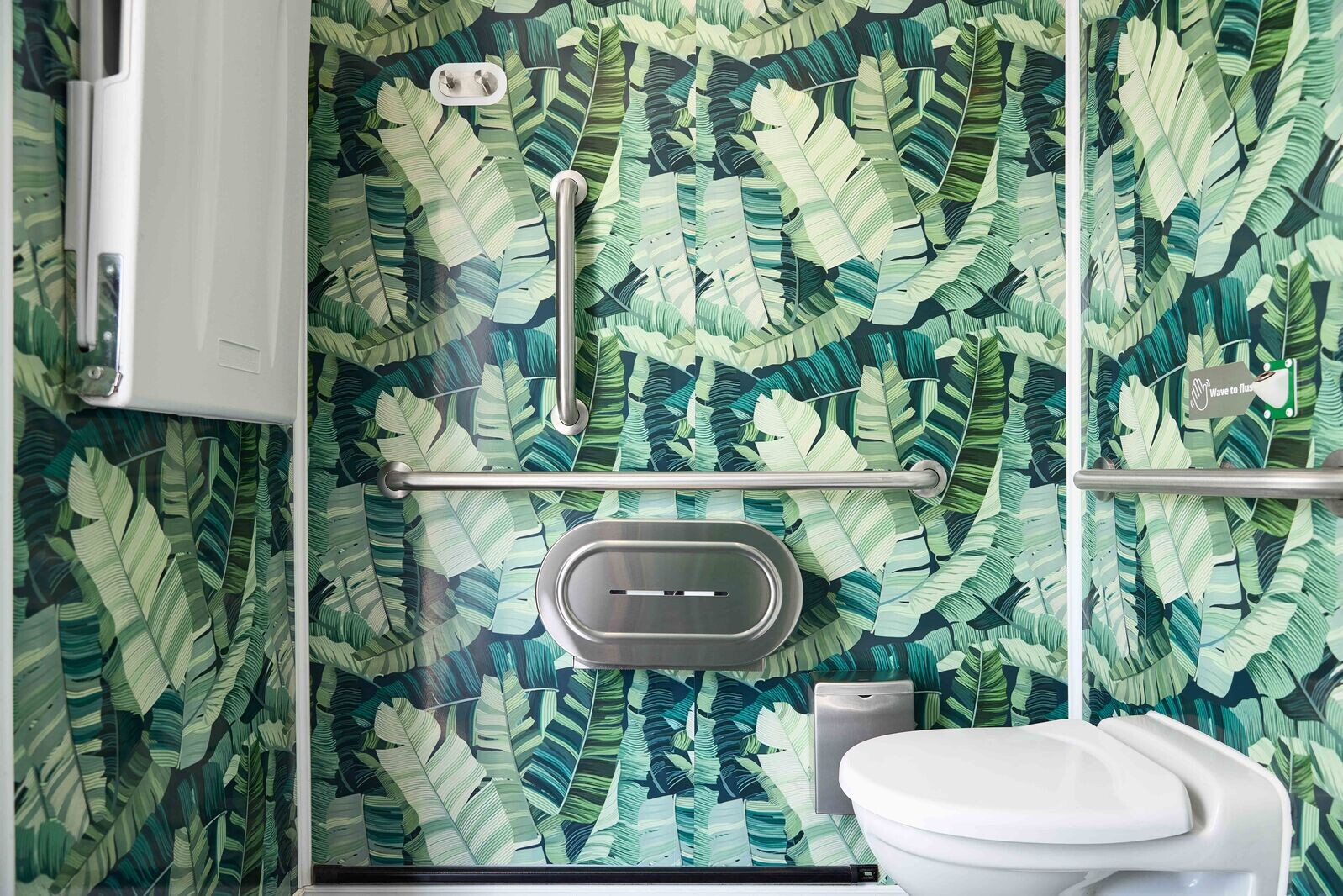
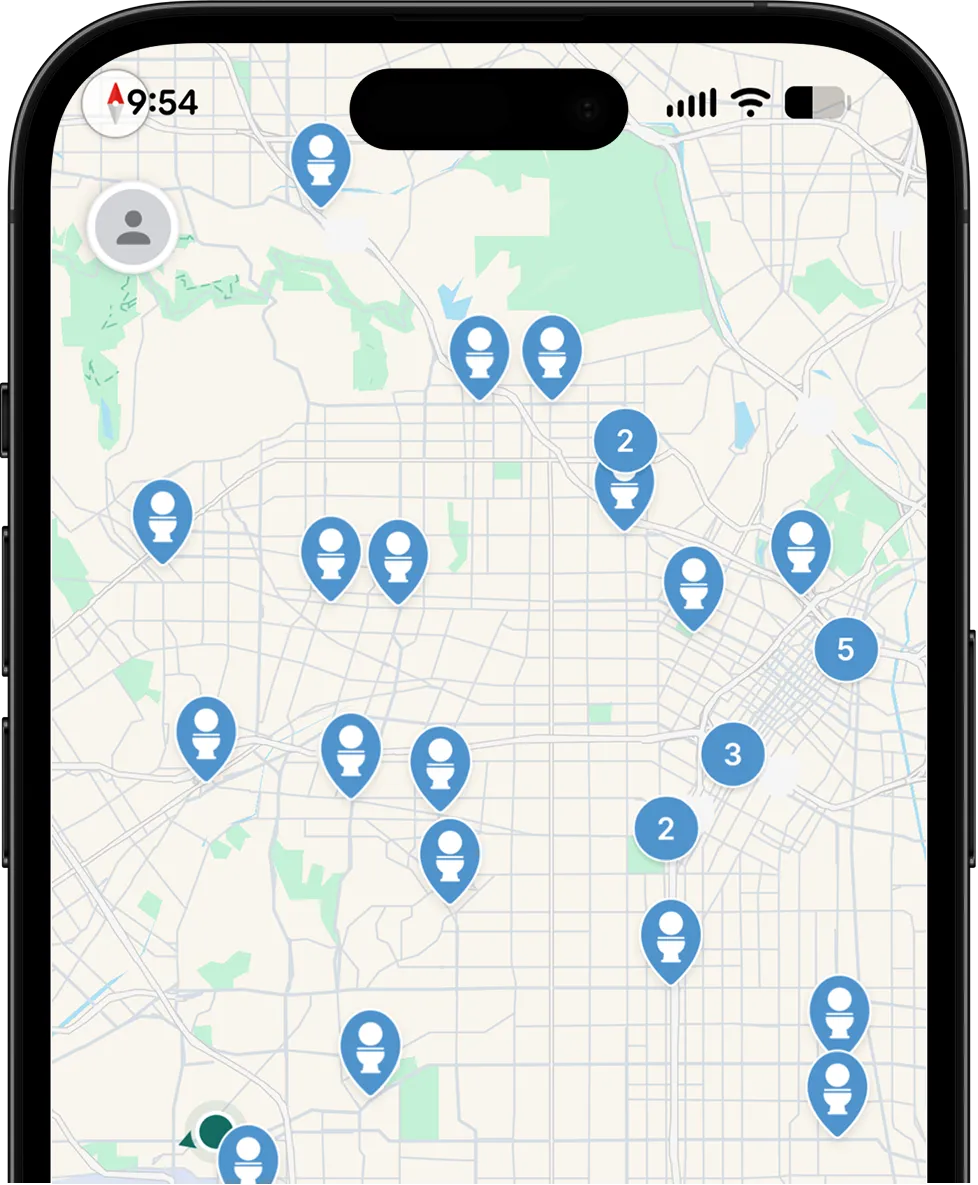
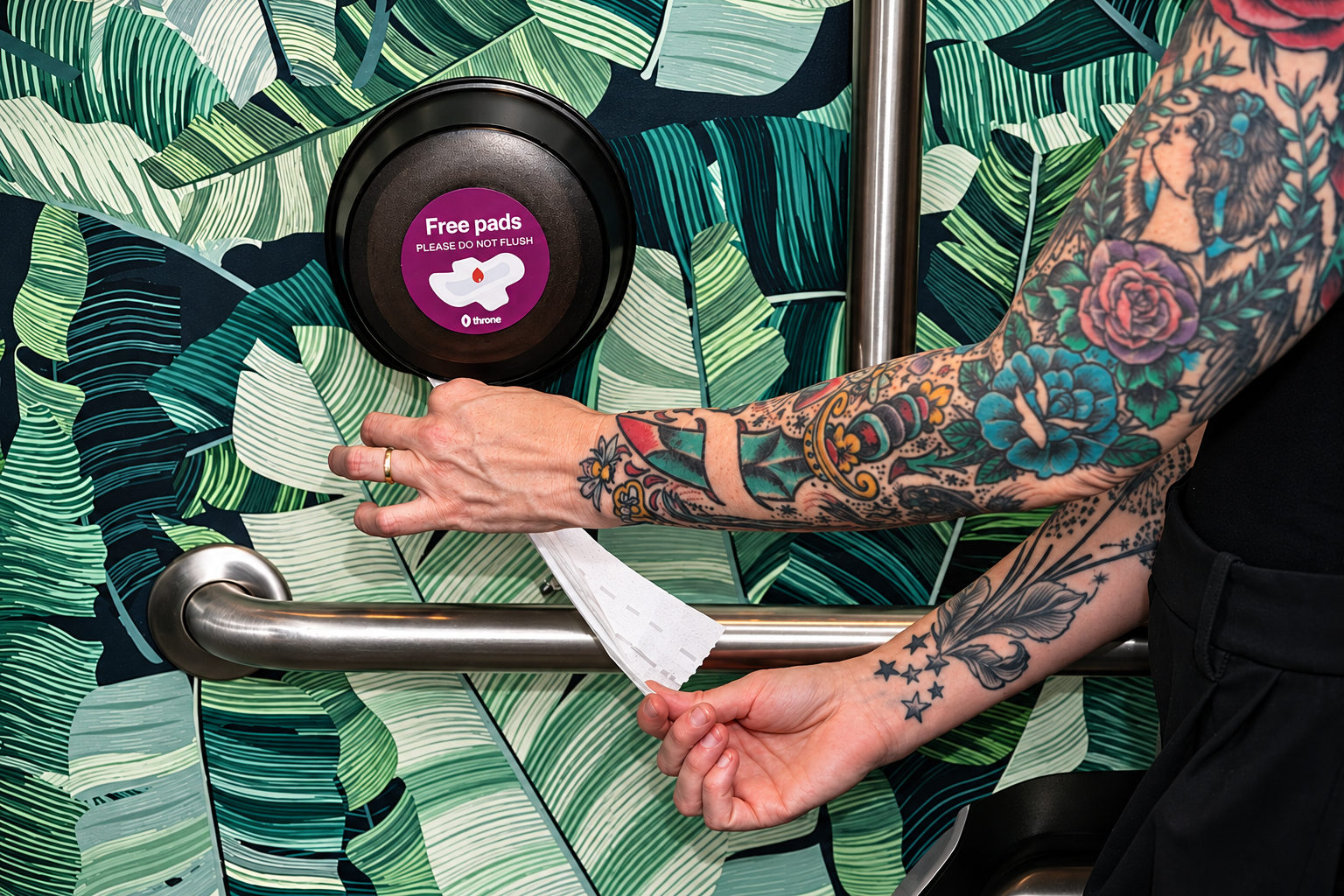
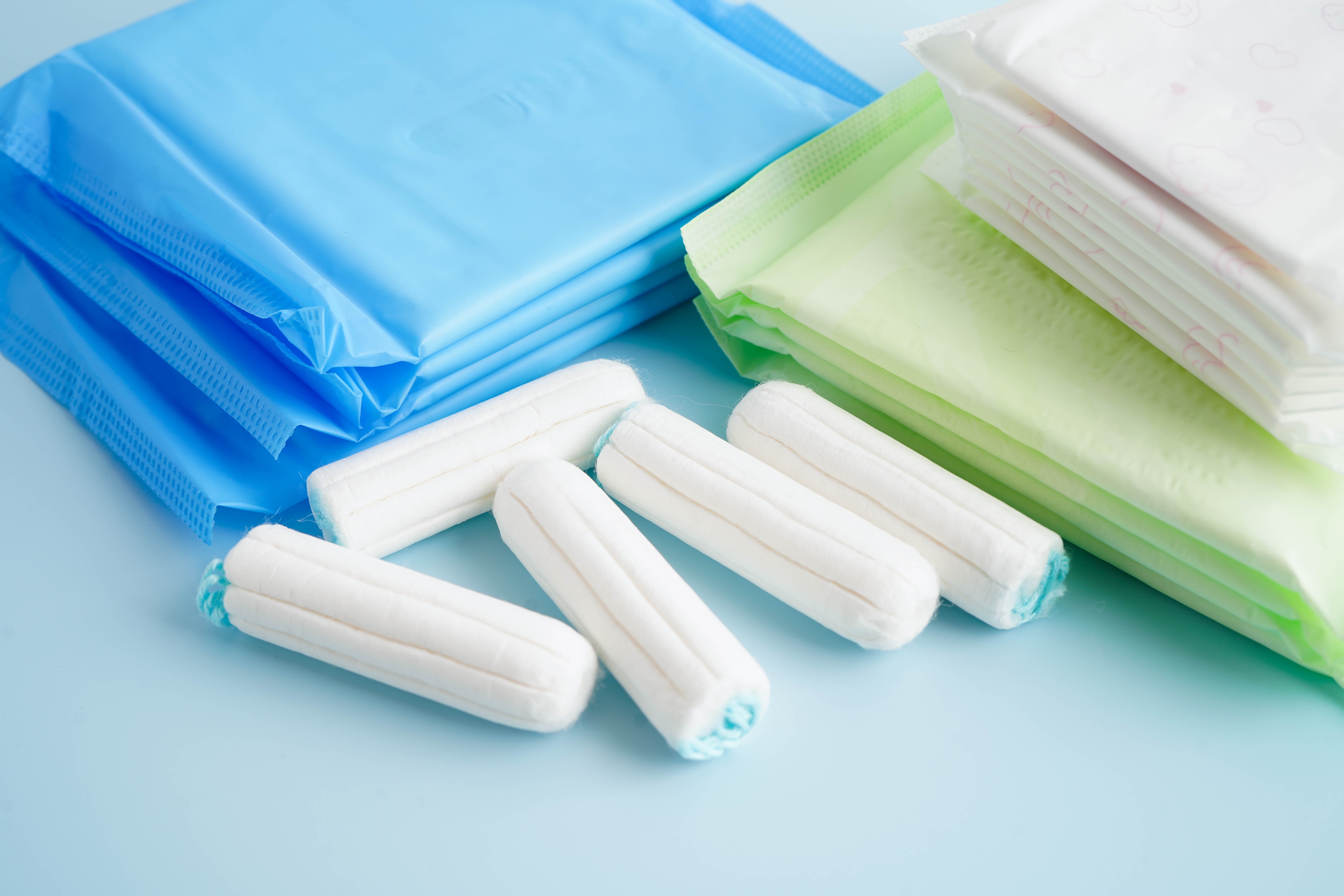
Anyone with a period knows that it’s not enough to have access to products like pads and tampons – you need a clean place to use them too. That’s where public restrooms like Throne come in. Every Throne unit is equipped with flushing toilets, running water, and stocked with fresh rolls of menstrual pads, offering a haven for anyone who needs to duck in to deal with that time of the month.
“Public bathroom access should not be a luxury,” Herrera said. “For people who menstruate, it's critical. When there are barriers to accessing how you can care for your body, there are devastating consequences.”
Those consequences are multifaceted. Without period products and a clean place to use them, people with periods can become locked out of public life. There are also real health and hygiene concerns when people wear period products for too long.
In its latest State of the Period report, PERIOD found that 45% of teens surveyed have worn a pad or tampon for longer than recommended because they lacked easy access to period products. For lower-income and Hispanic teens, that number was even higher.
“Access is really the key to unlocking so many systemic issues – it begins with access, whether that's products or restrooms,” Herrera said. “They really go hand in hand, because if you can't show up to spaces because you are on your period, that's when you really see the opportunity cost.”
For young people, that can mean missing class and losing key opportunities to participate in extracurricular activities. For adults, that can look like missing shifts at work or running late, situations that can worsen an already precarious financial situation. “If they are unable to afford and access products, think about how that compounds over time, just month after month,” Herrera said.
Period products – and somewhere to use them
PERIOD believes that every public space and private business benefits from being well-stocked with period products. “It's important that people have access to these products for their own ability to care for themselves, but it's also a really smart business move,” Herrera said. She argues that companies can better serve their customers by providing free period products, but well-maintained public restrooms play a major role too.
“We've all been in a restroom without toilet paper. Well, if you're menstruating, you need that toilet paper to manage your period as well. You need the sink to manage your period,” Herrera said, pointing out that restroom access – not just product access – is a foundational piece of building menstrual equity. “They go hand in hand,” she said.
“It's such a lifeline to so many people. I particularly appreciate that Throne has remembered menstruators in their restrooms, that they do provide the clean water, they provide the products, they provide access. What a complete game changer that is to have access to a restroom you can use near you.”
Want to stay up to date with where Throne is launching? Follow us on Instagram or LinkedIn.