How accessible restrooms make life better for everyone
Written by: Taylor Hatmaker
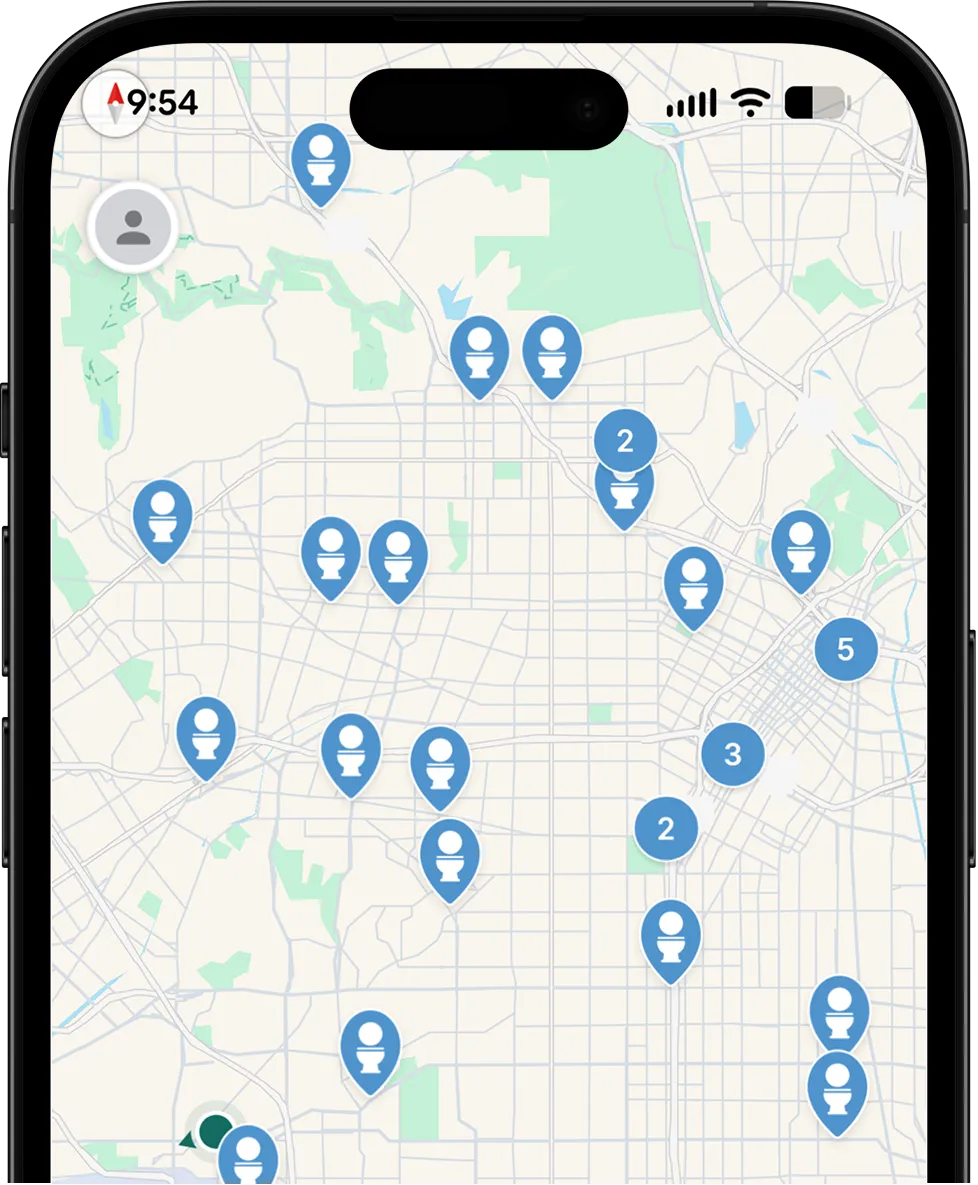
Throne is on a mission to expand access to public restrooms. That means making sure that our restrooms are clean, available, and accessible for everyone.
A big part of building bathrooms for everybody is understanding that different communities have different needs. At Throne, including people with disabilities from day one is an essential part of our process.
Throne is proud to partner with the American Association of People with Disabilities (AAPD) on some of our advocacy projects and work. The AADP is a national, disability-led, cross-disability rights organization advocating for the civil rights of the more than 70 million Americans with disabilities. That’s one in every four adults and around half of people over the age of 65.
Through its advocacy, the AAPD boosts the economic and political power of people with disabilities across issues like employment, transportation, and community integration. At Throne, those issues are aligned with our mission and we’re honored to call the AAPD a partner.
We sat down with Dewayne Johnson, AAPD’s Director of Economic & Social Impact, to explore why restroom access is so vital for the disability community. We believe that everyone deserves clean, accessible restrooms when and where they need them.
Different needs, different options
The American disability community isn’t just a sliver of the population – it’s a vibrant swath of people with different needs. From cognitive and mobility disabilities to those affecting vision, hearing, and mental health, the disability community is incredibly diverse. When it comes to restroom access, those needs may vary, but everyone stands to benefit.
“Different people may need different things,” Johnson explained. “This is why inclusive design focuses on providing choice and thinking about how different individuals will actually experience the space, rather than relying on a one size fits all approach.” While some people might need wide entrances and room to maneuver a wheelchair, people who are blind or have low vision might benefit from clear signage, adequate lighting, and predictable layouts. Others might need lightweight or automatic doors that make access easy for everyone.
For many people with disabilities, restroom access isn’t just something that’s nice to have. It’s a lifeline to public life – and one everyone deserves. “Bathroom access can determine whether a person with a disability is able to leave home to remain at work, travel, shop, attend events, or participate in any community life,” Johnson said. For people with chronic health conditions like IBS and Crohn's disease, knowing that restroom access is available is a game-changer. Others might restrict their liquid intake for fear of not being able to find a clean, safe restroom in time.
“It's not simply a matter of convenience,” Johnson said. “It's really about health, dignity, independence, safety, and whether someone can remain in a public space without having to plan their entire day around the possibility that a usable restroom may not be available.”
Designing accessible spaces
For people with disabilities, cleanliness is a key piece of what makes a restroom accessible. Physical features like ramps and grab bars may be more obvious, but a restroom isn’t accessible unless it’s clean. For Throne, keeping our restrooms clean is a point of pride.
In its research, the AAPD found that cleanliness tops the list of accessibility priorities because it’s the main way people determine if a restroom is safe to use. “We do see that as a very large part [of accessibility] for folks who are part of the blind and low vision community,” Johnson said. People who are blind or have low vision often rely on their sense of smell to judge if a restroom is accessible to them, particularly because they may rely on their sense of touch once inside.
Many other features also signal to everyone that a space is safe, inclusive, and available for use. To encourage businesses to create more of those spaces, the AAPD convened The Access Coalition – a group of companies working together to go above and beyond on accessibility. The Americans with Disabilities Act (ADA) sets national standards for protecting the rights of people with disabilities, but those guidelines are only the floor – not the ceiling. The coalition released its Inclusive Spaces Playbook earlier this year as a tangible way to help businesses to push beyond minimum compliance with the ADA.
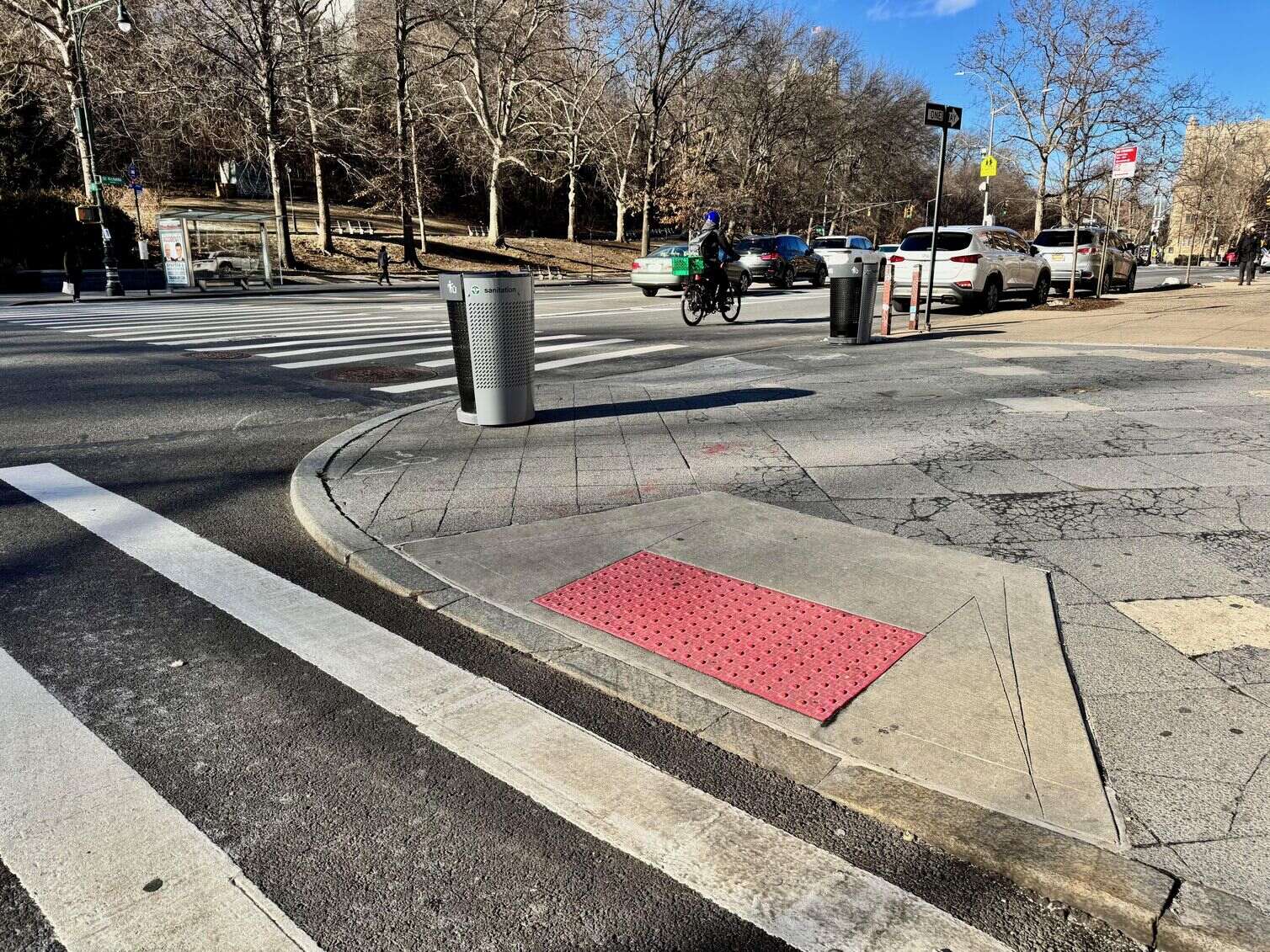
Johnson likens small improvements that make spaces more accessible to curb cuts – something originally designed for people with disabilities that actually makes life better for everyone. People who use wheelchairs rely on curb cuts, but they also make sidewalks friendlier to runners, parents with strollers, and all other pedestrians. Using that framework, “[accessibility] is not something that is just purely for folks with disabilities, but everyone's going to benefit,” Johnson said.
Restroom access is a civil right
It’s not a coincidence that so many battles for civil rights center around restroom access. “Public restrooms are basic community infrastructure,” Johnson said. “A person cannot fully participate fully in employment, education, healthcare, commercial education, or even civic life without being able to utilize the restroom for a basic bodily need with safety and with dignity. This is a battle that is continuously fought.”
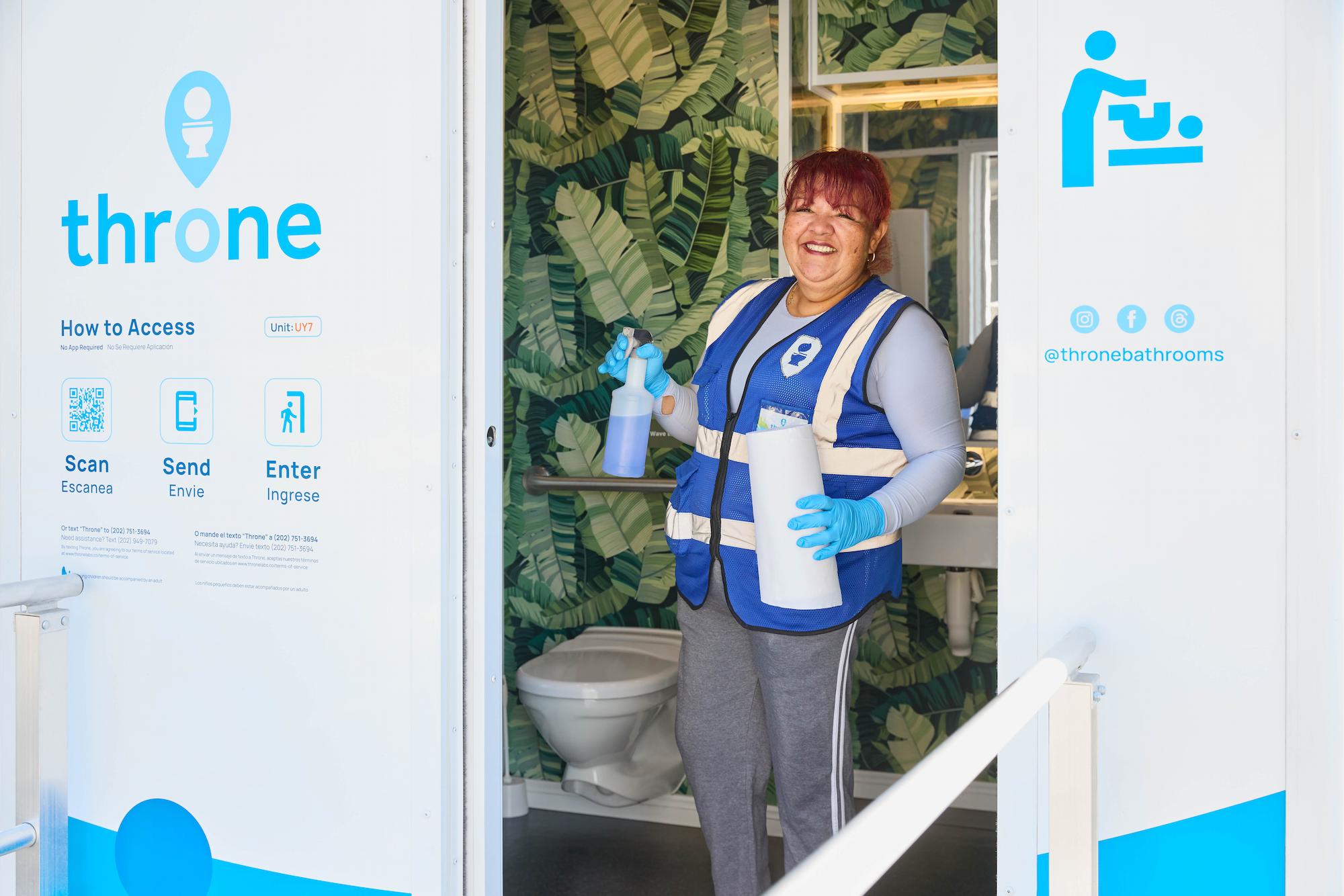
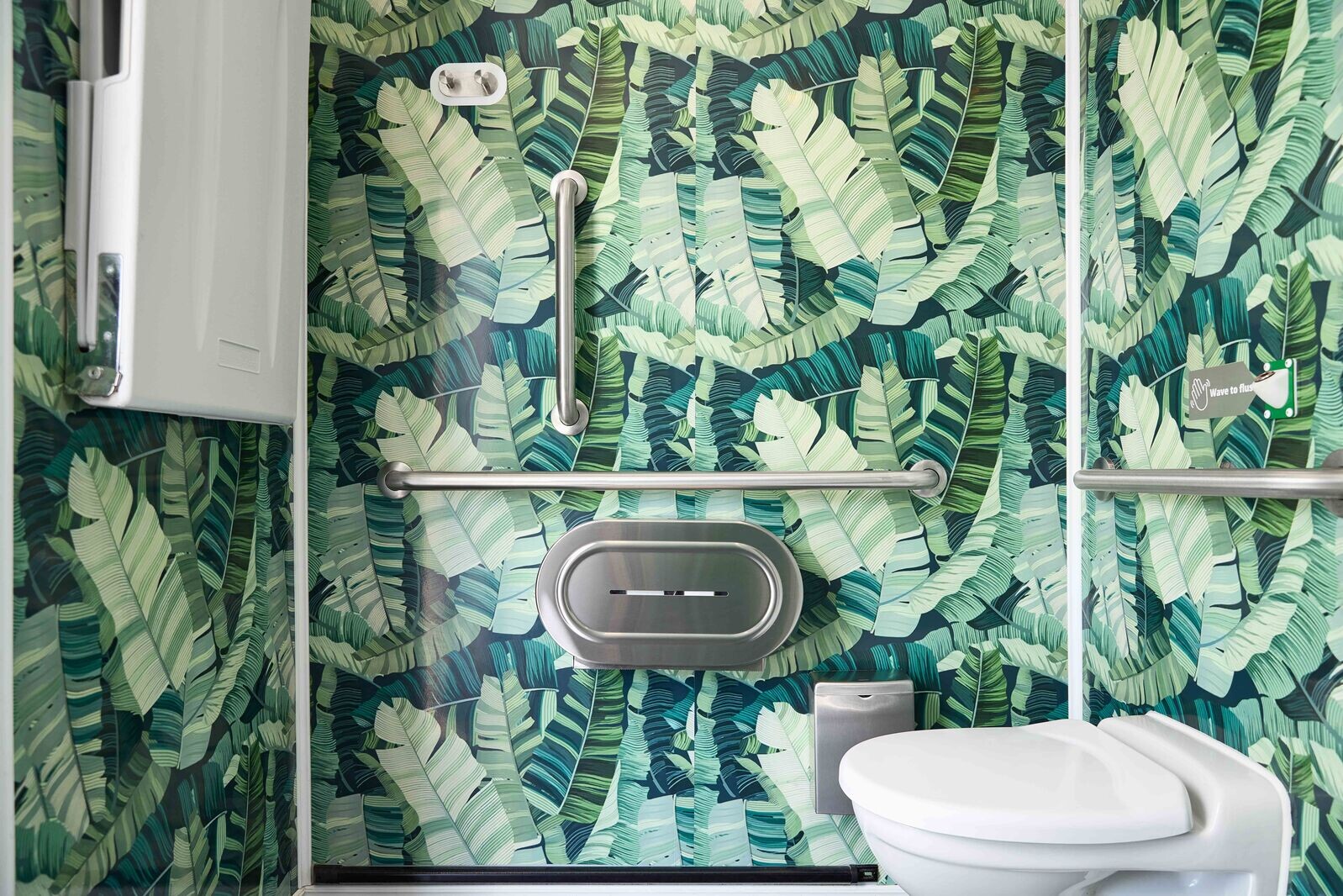
At Throne, we were dedicated to making the experience smooth for people with disabilities. Throne restrooms are ADA-accessible and equipped with running water sinks, flushing toilets, touchless entry and exit, and storage hooks. Visitor ratings and sensors in our restrooms let us know how many people have used each Throne so we know when to send an Operations Specialist to clean it. Every unit also features NaviLens technology, offering audio navigation cues for people who are blind or visually impaired.
When we boost access to clean, safe, accessible restrooms, everyone wins. Want a Throne where you live? Check out our resident’s playbook for help asking local leaders to consider Throne.
Join us in expanding restroom access
Blog & Resources