World Toilet Day 2026: 3 things we’re learning about restroom access from cities around the world

This World Toilet Day, the U.N. is shining a light on the connection between safe sanitation and equality, particularly gender equality. For women and girls around the globe, access to safe toilets means they can go to school, work, and participate in society.
Restroom access impacts everyone, whether they realize it or not. But for some, such as persons with disabilities, seniors, unhoused persons, caregivers, parents, and anyone who may face barriers using toilets privately and comfortably, access to toilets directly influences how they navigate the world.
The U.N. estimates that 3.4 billion people across the globe still live without access to safe toilets. Even in the United States, restroom inequality exists: for every 100,000 people in the U.S., there are only 15.5 public toilets available (compared to Australia’s 33.5).
We believe everyone should have access to a clean, safe place to go. On World Toilet Day, we’re exploring what other cities around the world are doing to improve restroom access in their communities — and what we can learn from them.
3 cities around the world expanding public restroom access
London, England
Incorporate restrooms into long-term strategic planning.
For years, public toilets across London kept closing due to rising staffing and maintenance costs. With fewer places to go, residents and visitors started to feel limited when moving around the city.
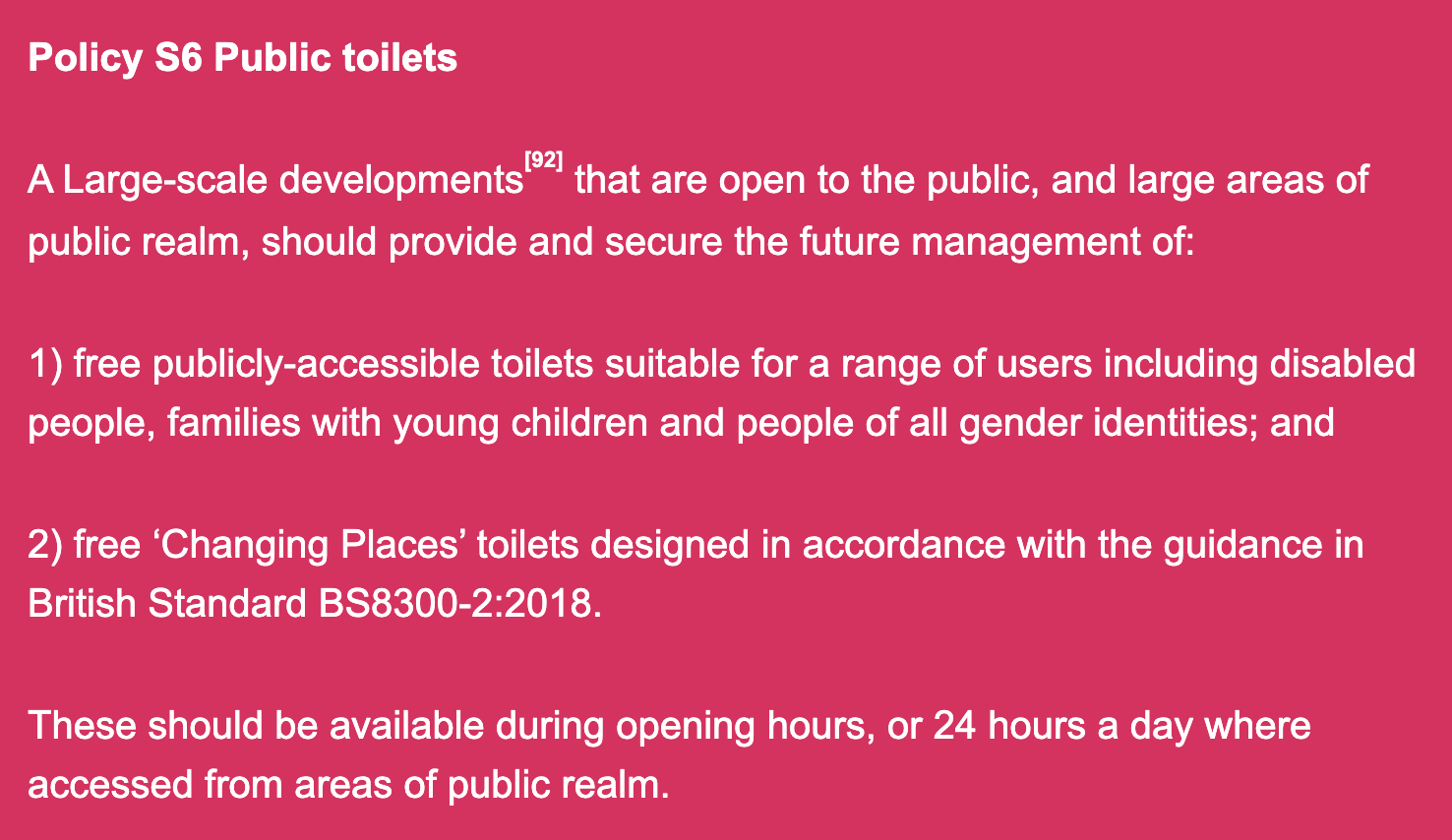
City leaders took notice, commissioned a study, and started prioritizing public restrooms in long-term city planning. The London Plan, the city’s strategic plan published in 2021, includes an entire section about public toilets.
Policy S6 not only outlines practical ways to expand public toilets throughout the city, but also defines public toilets as a “vital facility, helping to create an inclusive city where people have the confidence to move around with comfort and dignity”.
As part of the Good Growth program, the Mayor pledged to create or renovate 250 public toilets. The city’s intentional planning is already paying off. New public toilets at key transport stations are already open and available to the public.
Bengaluru, India
A little innovation makes restrooms accessible to more people.
Expanding access to public toilets is a top priority for cities across India. The Swachh Bharat Mission launched several campaigns to improve sanitation, which ultimately pushed cities to earn Open Defecation Free (ODF) statuses and increase the number of public toilets available.
Now, there’s a SMB Toilet Locator app that lets citizens find the nearest public toilet. In Bengaluru, the Karnataka State Road Transport Corporation (KSRTC) designed and built the Sthree Toilet — a repurposed bus now a women’s restroom with menstrual-care amenities and space for breastfeeding and diaper changing. They placed it at a major transit hub to provide women a safe, clean toilet in a busy terminal.
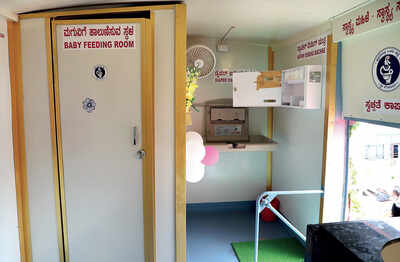
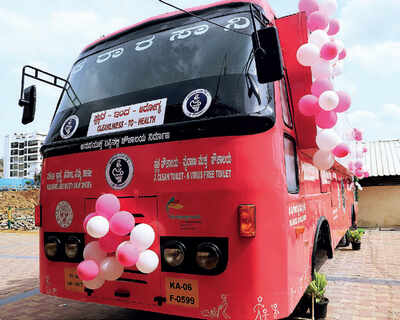
Other cities are getting creative too. In Navi Mumbai, the Navi Mumbai Municipal Corporation (NMMC) built eco-conscious restrooms from recycled plastic sheeting, bottles, caps, scrap metal, and even old computer keyboards. The units are designed with inclusivity in mind, including units for kids, persons with disabilities, and women.
It just goes to show that a little innovation and creativity can go a long way to improving restroom access.
Tokyo, Japan
Make public restroom places people feel comfortable using.
Even in Japan, a country known for its cleanliness and hospitality, public toilets were getting a bad rap. People viewed them as dark, unpleasant, dirty, smelly, and even scary places — a perception that stopped people from using them.
Like most other cities around the world, public toilets in Tokyo are expensive to maintain and aren’t prioritized unless there’s a real problem. The Nippon Foundation stepped in to change public perception about public toilets and make them more accessible to people of all genders, abilities, or age.
The Tokyo Toilet project launched in 2018 to re-imagine public toilets in Japan. A team of designers and architects created a new public toilet concept that’s not just aesthetically pleasing, but also easier to maintain.

There are now 17 Tokyo Toilets installed throughout the city. The Nippon Foundation, the Shibuya (Tokyo) City government, and the Shibuya City Tourism Association share maintenance responsibilities of the facilities.
It’s the ongoing commitment to cleanliness and maintenance that keeps The Tokyo Toilet an inviting place to go.
Bringing these lessons back to your community
Numerous surveys show there’s a significant public restroom shortage in the U.S. In 2022, the Crohn’s & Colitis Foundation reported 53% of people had trouble finding or accessing a public toilet within the last seven days.
Restrooms are expensive to plan for, build, and maintain long-term. Even adding a few facilities means finding suitable locations, securing funding and construction plans, and budgeting for long-term cleaning and maintenance. For cities, expanding access is an ongoing commitment.
But if we can learn anything from other countries, it's that with a little creativity, support from partners, and commitment from leaders, expanding restroom access is possible — no matter the barriers.
At Throne, we remove the barriers that prevent U.S. cities from expanding restrooms. Our restrooms are installed without sewer or water hookups, and our operations team manages ongoing daily maintenance and cleaning of each unit. Local service teams and real-time data feedback help keep each unit clean, safe, and available for the next person.
This World Toilet Day, we’re inspired by what’s possible and committed to helping more people find a clean, safe place to go.
Join us in expanding restroom access
Thanks for reaching out!
Blog & Resources
Reading Material: Disability activist Christopher Alvarez on NYC, Throne, and why different is beautiful