IBS awareness matters - and so does restroom access
Written by: Taylor Hatmaker
At Throne, we believe that everyone deserves access to clean, convenient bathrooms.
We want to put better bathrooms everywhere – but we also want to talk about why it’s important. To expand restroom access, we need to get comfortable with talking about why restroom access matters and who is impacted when public restrooms are scarce.
For people living with IBS and other GI disorders, knowing where to find a clean, reliable bathroom can be the difference between having the freedom to live your life or being stuck at home. The month of April is IBS Awareness Month, and it’s the perfect time to talk about what IBS is, who it affects, and how we can support them.
What is IBS?
Irritable bowel syndrome, better known as IBS, affects a massive number of people around the globe. In the U.S. alone, IBS is estimated to impact up to 15% of adults, but only around half of people affected wind up with a diagnosis. The chronic gastrointestinal disorder is more commonly diagnosed in women than men and most people develop symptoms before the age of 40.
IBS is as complex as it is disruptive for the people who suffer from it, with symptoms that vary from person to person. The most common problems include constipation, diarrhea, bloating, discomfort, and pain with bowel movements. People with IBS need reliable access to bathrooms to manage their symptoms, which often interfere with everyday life and can even make some kinds of work next to impossible.
While it isn’t life threatening, IBS can take a serious toll on the people who suffer from it. In spite of its seriousness, the condition still often ends up as a punchline – a sign of just how much stigma swirls around any conversation about what happens in the bathroom.
To break some of those taboos, we spoke to Jeffrey Roberts, the founder of World IBS Day. Roberts, a science educator and IBS awareness advocate, has been building a community of people who share his own experiences for three decades.
“IBS is really an illness that has a lot of stigma attached to it,” Roberts said. “Nobody really wants to talk about their bowel habits... It's a difficult conversation for people to have.” Even doctors familiar with the disorder can be dismissive, another layer of stigma that gets in between people suffering from IBS and the treatment they need.
Breaking through toilet taboos
Through his online community, the IBS Patient Support Group, Roberts empowers IBS patients with knowledge about treatment options and the language they need to be taken seriously.
While the underlying causes of irritable bowel syndrome aren’t fully understood, researchers and clinicians believe that nerve sensitivity in the digestive system, problems with how the body moves food through the digestive tract, and even abnormal levels of the microorganisms living in the intestines may play a role. “It's a real illness,” Roberts said. “It prevents people from attending their job, going with their kids to watch a soccer game, living their lives – their quality of life really suffers.”
"It's a real illness. It prevents people from attending their job, going with their kids to watch a soccer game, living their lives—their quality of life really suffers." (Jeffrey Roberts, Founder of World IBS Day)
IBS is medically distinct from Crohn's disease, celiac disease, ulcerative colitis, and other inflammatory bowel diseases, but some people have a combination of those conditions, which can interact in complex ways. The disorder also often occurs alongside non-GI diagnoses like endometriosis, fibromyalgia, and even mental health disorders like anxiety and depression. The overlap between some of these conditions can make diagnosis and treatment even more difficult for people who suffer from IBS.
“You have these symptoms that really mimic each other and so it's hard to know what actually is going on,” Roberts said.
The reality of bathroom anxiety
In spite of the condition’s complexity, what people who suffer from IBS symptoms share is a simple need for more bathroom access. “What I love about what Throne is doing is that a lot of people are afraid to leave their home,” Roberts said. A simple thing like commuting to the office or going downtown to a concert can be fraught for people who suffer from IBS and other GI disorders.
“When I would travel to work, I would literally map it out, knowing where I could stop if I had to,” Roberts recounted. “...Where are bathrooms on the subway system? Or can I get off the subway and where can I go?” He found himself plotting out hospitals across Toronto for restroom access – mental gymnastics that will be familiar to anyone who has struggled with unpredictable bathroom needs.
For Roberts and people like him, just knowing where bathrooms are and that they’ll be open when needed is a huge relief. “They can plan their day knowing that one might be available on their route or at an event,” Roberts said. “That is really, really helpful for patients.”
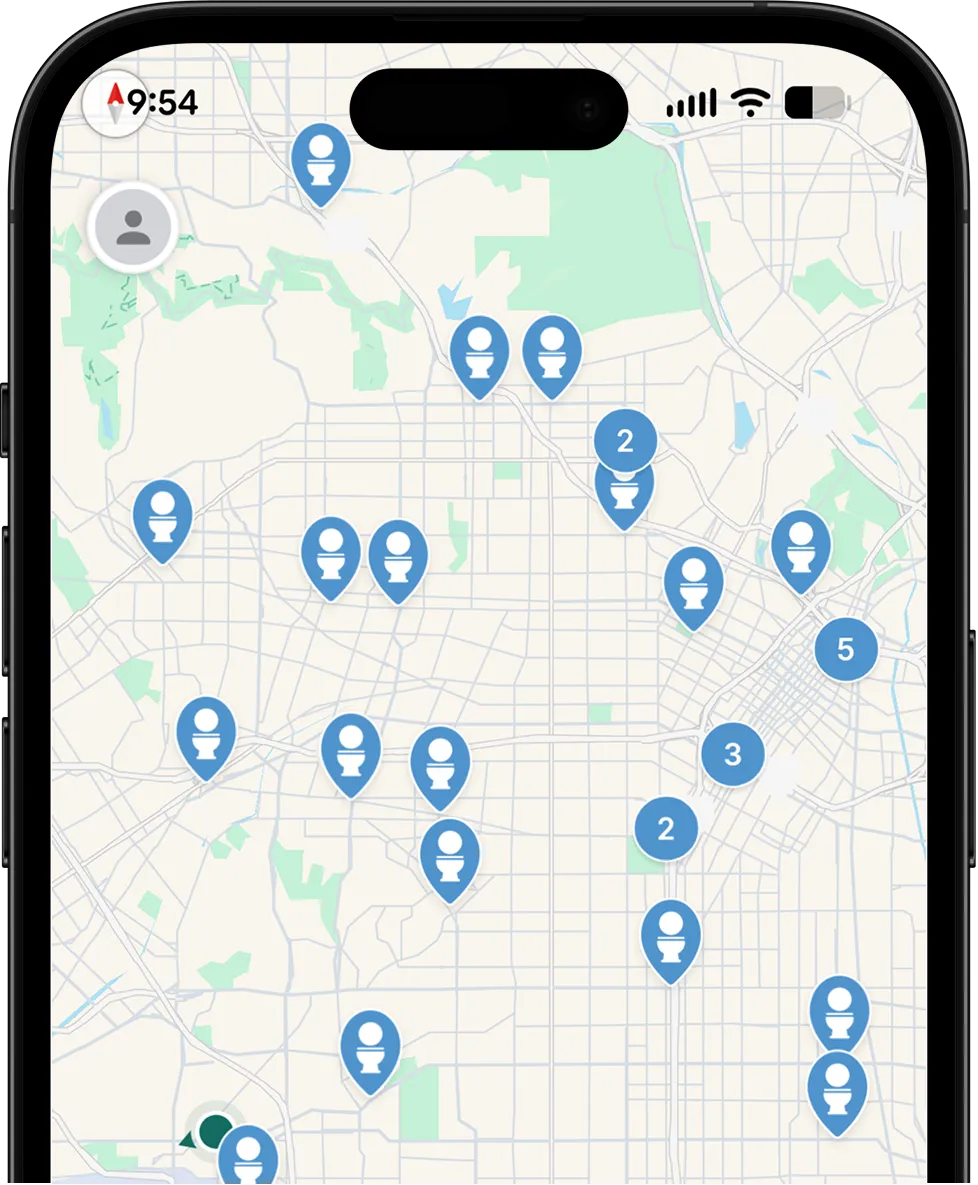
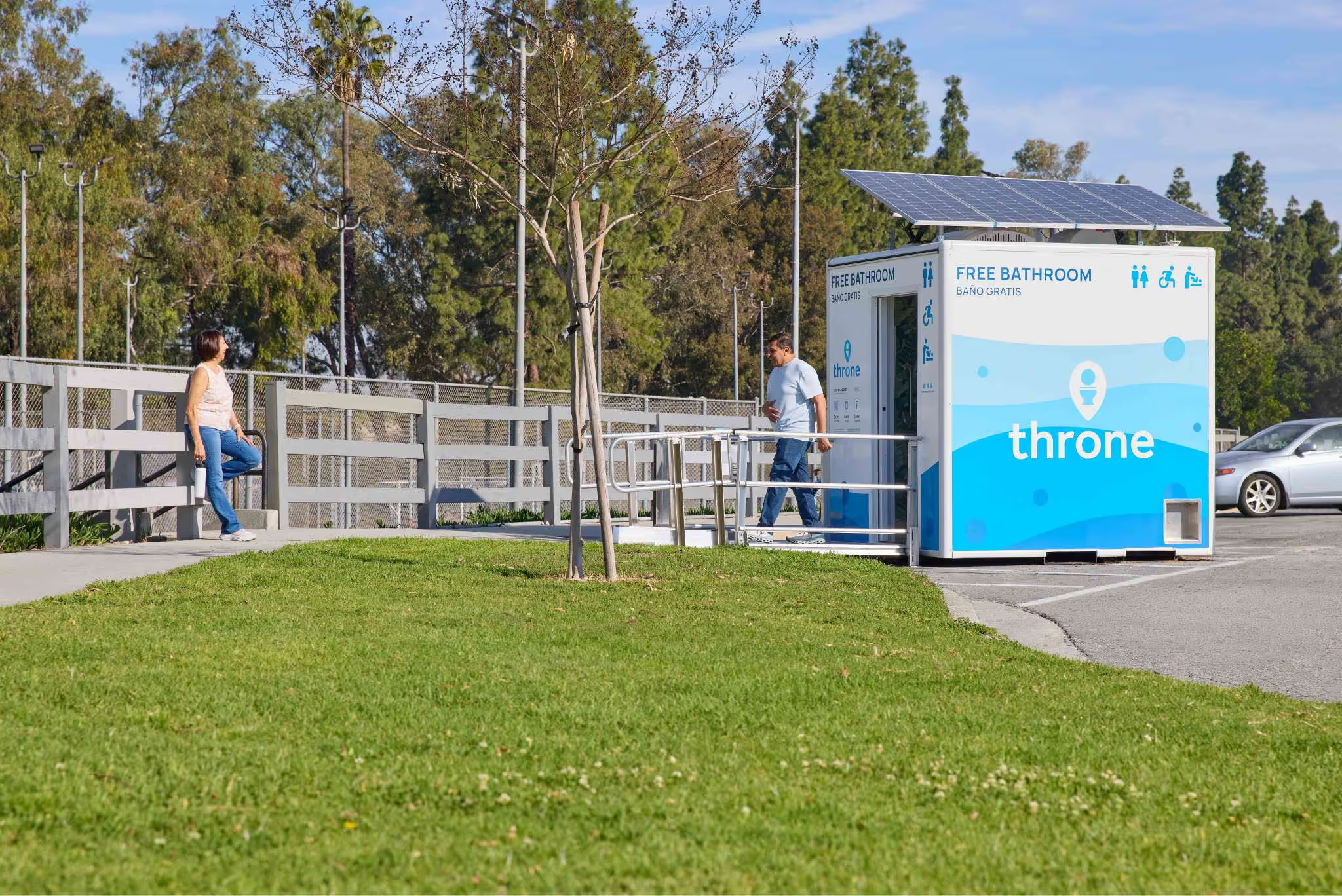
At Throne, we know that people navigating IBS and other GI conditions already rely on us. We hear from users with IBS who are hopeful that more public bathrooms will pop up in their city so they can feel confident when they leave the house.
"This is such a pleasant experience. I used to live in this town years ago and I also have IBS so this is insanely convenient and amazing." (Ann Arbor Throne user)
“Thank you for letting me use it,” another user in Norwalk, California wrote recently. “I have IBS and people like me need more restrooms around.”
Your voice matters
We know that talking about toilets isn’t always comfortable. But if you want more bathrooms in your city, you deserve to be heard – and now is a perfect time to speak up.
When we talk to cities about what their communities need, we often hear that restrooms are a major issue. But with tight budgets and residents quiet about public restroom access, those funds wind up elsewhere. If you want more public restroom access in your city, it’s time to ask for what you need and break the loo taboo. Contact your city leaders today and tell them why restroom access matters to you.