Budgeting for Throne: 11 ways cities are expanding restroom access

Written by: Beth D'Arcy
Many communities want to expand restroom access, but funding challenges often get in the way.
Cities usually rely on capital funds to build or renovate public restrooms. Capital dollars work well for long-term infrastructure, but they fall short when a city needs to move quickly.
Bigger, higher-priority capital projects often edge out small restroom projects, approvals can drag, and cities still have to budget for decades of cleaning and upkeep on permanent restrooms.
With Throne, there’s another way. Cities can now lease fully serviced, tech-enabled public restrooms and deploy them in high-need areas with no upfront capital costs. Instead of waiting years for a capital project approval, cities can quickly expand restroom access for residents and visitors.
New ways cities are funding public restrooms
Department operating funds
More cities are using operating funds to lease Thrones. Public works and parks and recreation departments usually take the lead and budget the restroom service under maintenance and operations line items.
Fairfax, Virginia takes this approach. The city treats Throne as an outsourced operating expense. The predictable, all-inclusive annual cost makes it straightforward to budget for improved restroom access without any capital investment.
Intergovernmental and civic partnerships
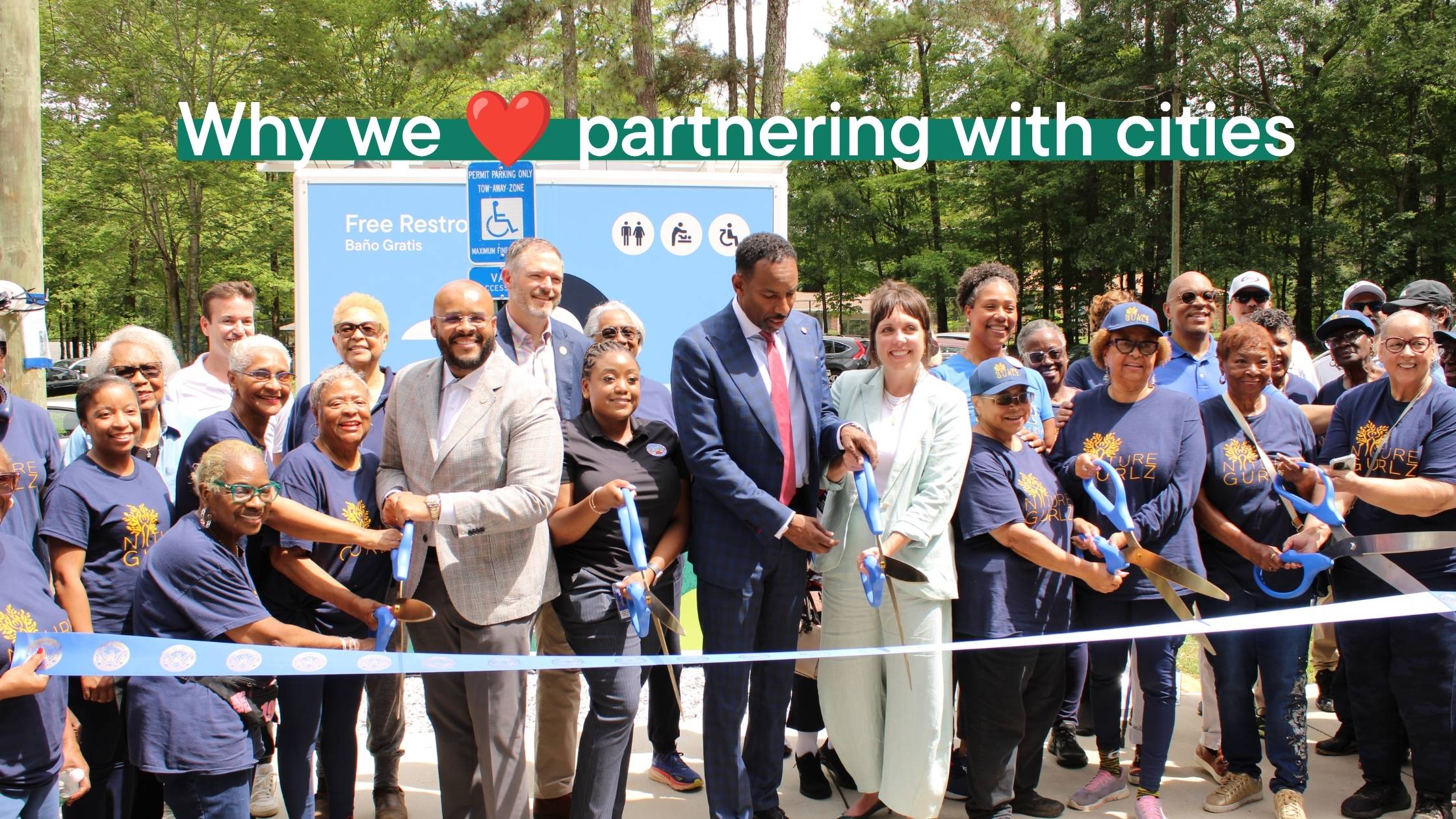
Cities don’t have to fund public restrooms alone. Working with other agencies can extend restroom coverage across shared public spaces. Transit authorities, downtown associations, local universities, and tourism associations all all benefit from clean, accessible public restrooms – and many have budgets to contribute.
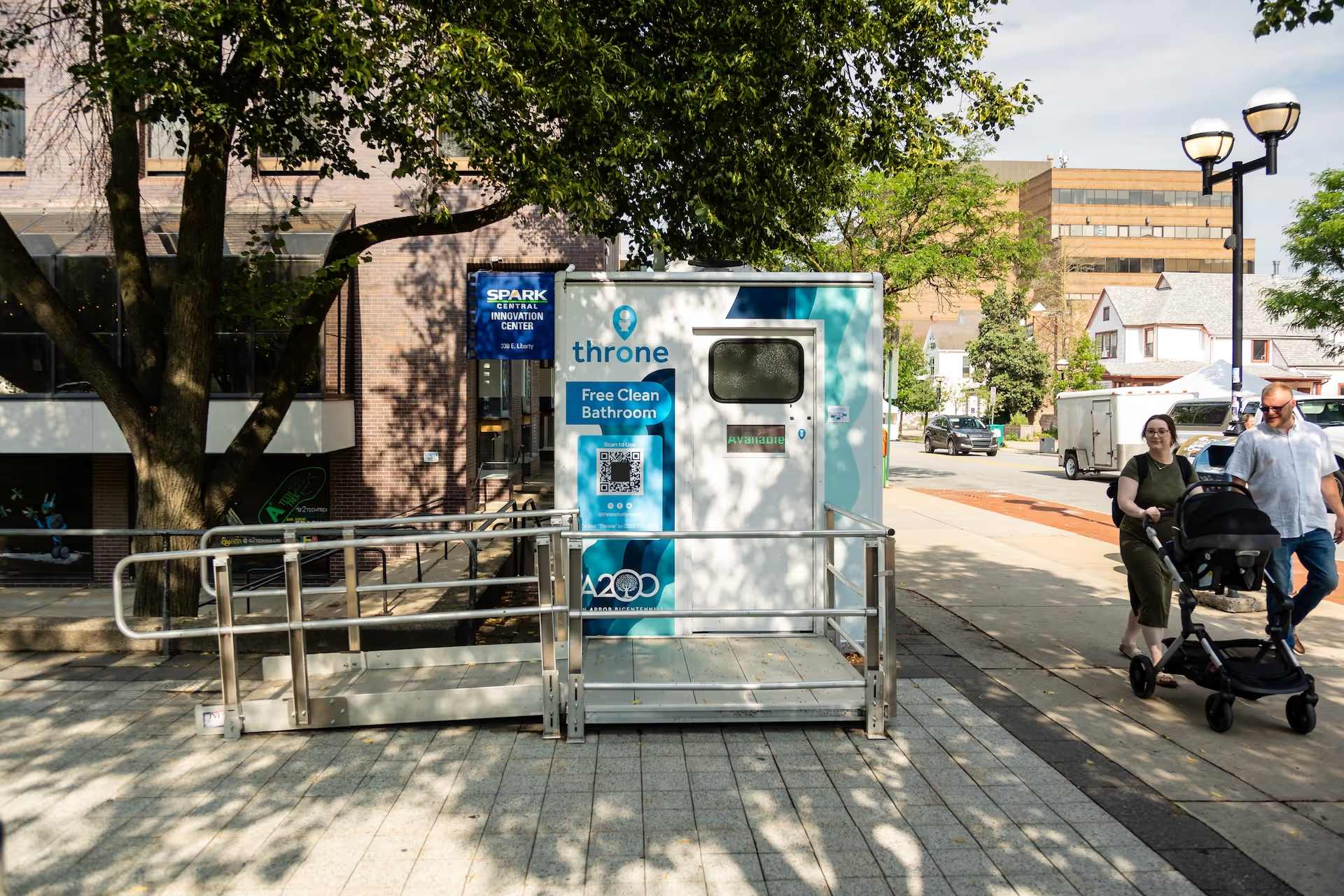
Case Study: Learn how the City of Ann Arbor and other local organizations collaborated to expand public restroom access in a high-traffic, downtown area. Read more.
Private-sector placemaking partners
Partnering with the private sector adds restroom facilities where people already work, shop, and spend time. Corporate campuses, major employers, sports venues, universities, and hospitals are motivated to keep their spaces welcoming for visitors, fans, and talent. A well-placed public restroom serves both the community and the private partner’s own constituency at the same time.
Foundations and non-profits
Foundations focused on public health, homelessness, or urban design may be interested in supporting expanded restroom access either directly or as part of a grant program. In these arrangements, the city serves as the grantee and Throne as the implementation partner.
Park conservancies are also strong municipal partners. The Guadalupe River Park Conservancy in San Jose funded a six-month pilot and engaged the city from the start with a clear goal of collecting the usage data San Jose needed to take over long-term funding if the pilot was successful.
Community benefit agreements and improvement district tax revenue
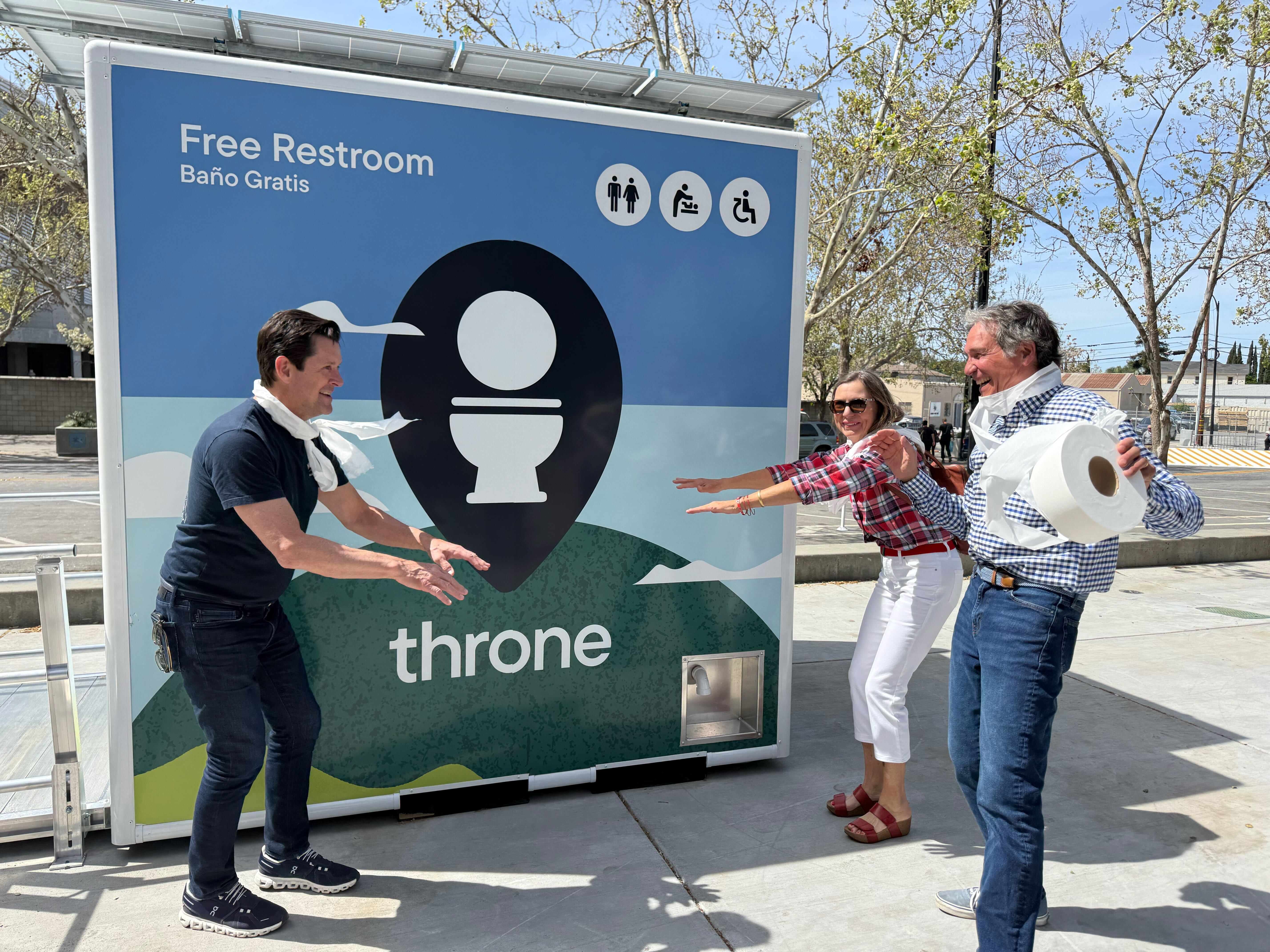
When large developments break ground, the city often negotiates a public benefit package with the developers. Thrones fit well into those agreements alongside other public improvements such as added green space, parking, sidewalks, or bike paths.
The Capitol City Business Improvement District (BID) in Washington, DC is one of the fastest-growing areas in the city as it borders the waterfront near the Washington Commanders Stadium. The BID originally funded porta potties to accommodate the rise in foot traffic from runners, visitors, and summer public programming, but the approach didn’t represent where the neighborhood was headed. Now, the city funds Thrones through a combination of city parks funding and tax revenue generated by the BID.
Special funds and tax measures
Dedicated budgets for advancing priority initiatives, like technology innovation, smart cities, or green infrastructure, are great candidates for funding smart restroom infrastructure. The City of Long Beach’s Technology and Innovation Department used its Innovation Fund to bring Throne online.
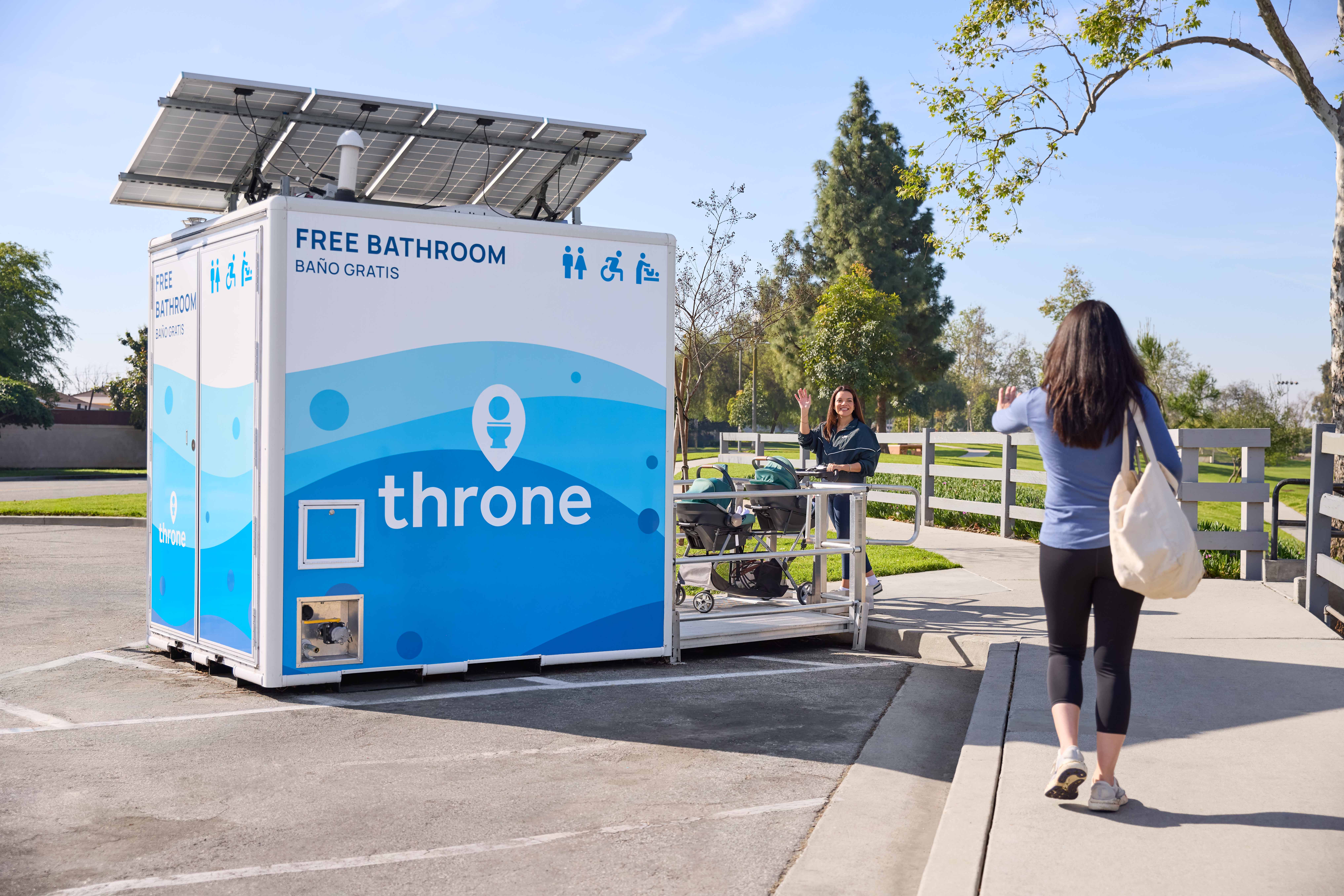
Berkeley, CA used a special tax measure to fund improvements to city infrastructure and facilities, including contracting with Throne to install public restroom units in two of their parks.
Opportunities for grant funding
Cities may also be able to fund smart restrooms through grants they already pursue.
For smart cities grants, cities can frame Throne as a network of tech-enabled, ADA-compliant public restroom infrastructure that extends smart city investments into a fundamental and underserved service area.
For public health infrastructure grants, cities can position Throne as sanitation infrastructure that reduces public defecation, supports better health outcomes for unhoused residents, and improves sanitation wherever placed.
How most cities start with Throne
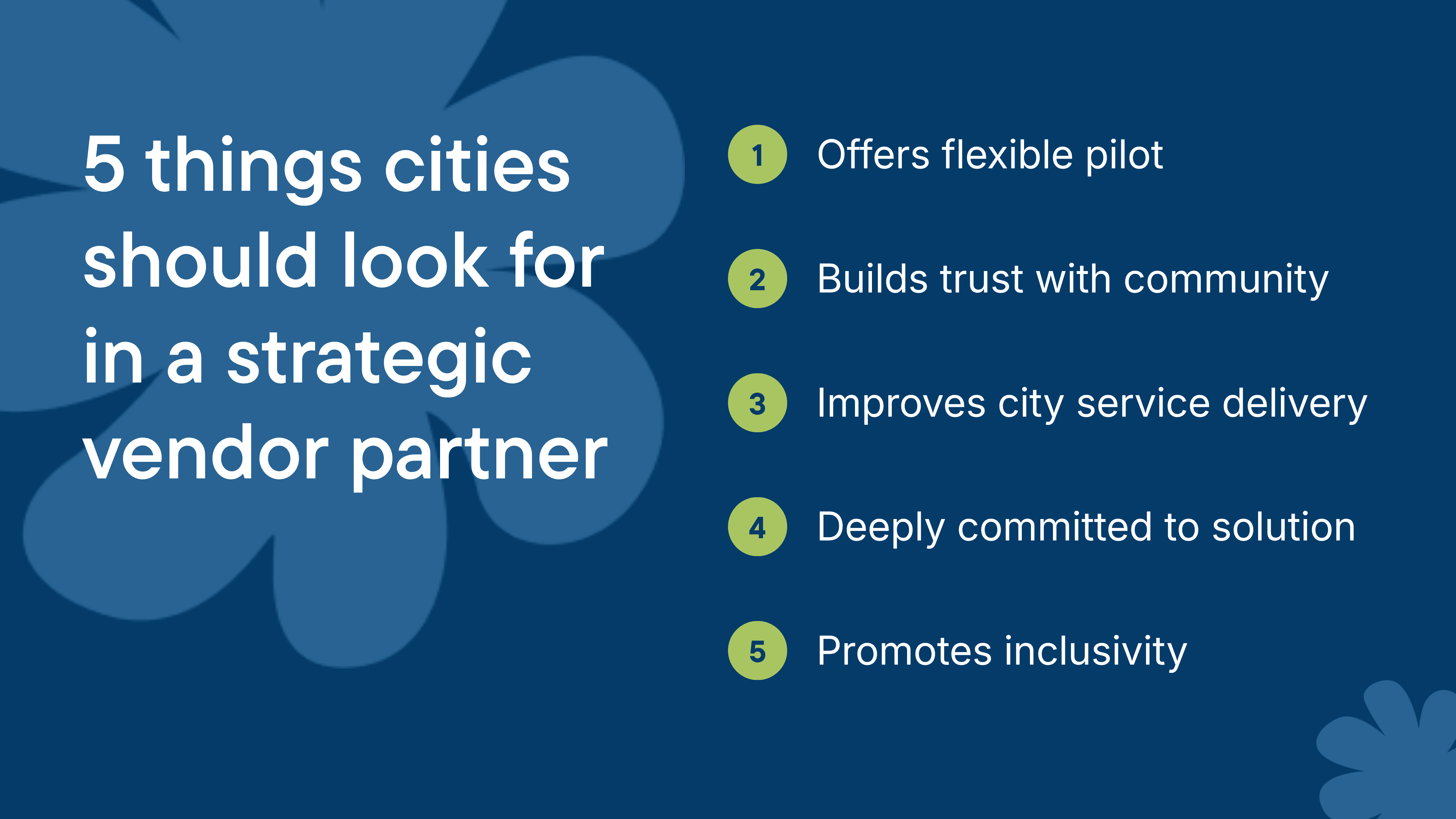
Most cities start with a pilot by placing several units in high-traffic or high-need locations. Pilot programs allow you to evaluate placement, understand usage patterns, and gather feedback from the community.
Cities lease our restroom infrastructure and sign a monthly, service-based contract that includes all cleaning, maintenance, restocking, and remote monitoring as part of an ongoing service.
Expanded public restroom access is more possible now than ever. If you’re interested in placing Thrones in your city, submit the form below to meet with our team.