6 public restroom options, compared
Written by: Beth D'Arcy
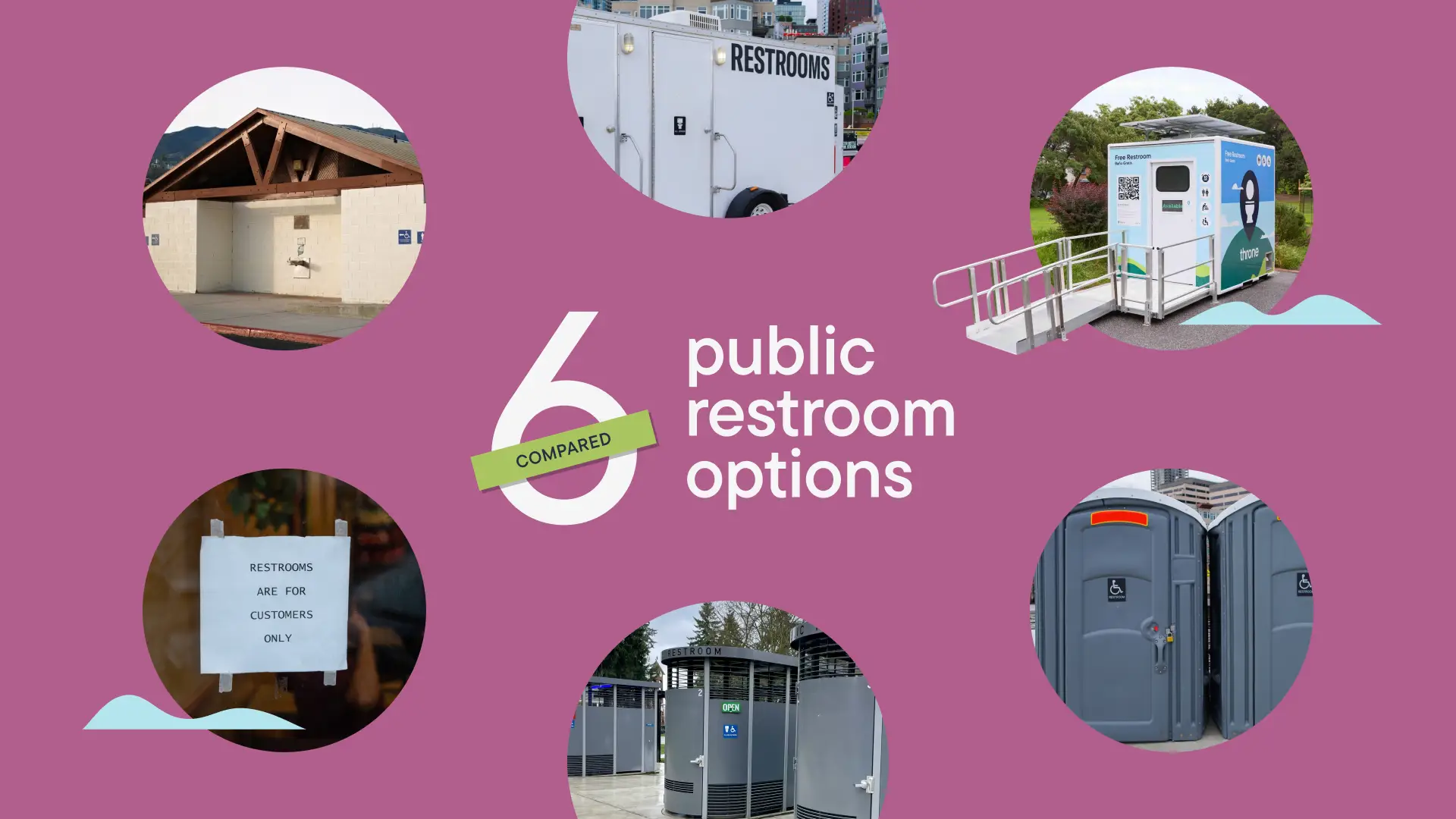
Porta potties, restroom trailers, stainless steel silos and smart restrooms. There’s a restroom model for every city, but they’re not created equal.
If the goal is to quickly add clean, safe restrooms everyone can access – and keep them that way for years to come – then you have fewer options than you think.
No matter what model you choose, a restroom that’s stuck in permitting, too dirty to use, occupied with overstayers, or out-of-order for repairs isn’t serving anyone. When it comes to expanding restroom access for the long-term, day-to-day operations matters just as much as materials and features.
Let’s take a look at the common public restroom options cities are using to expand access, and what it takes to make that mission a reality.
Features of public restrooms that actually expand access
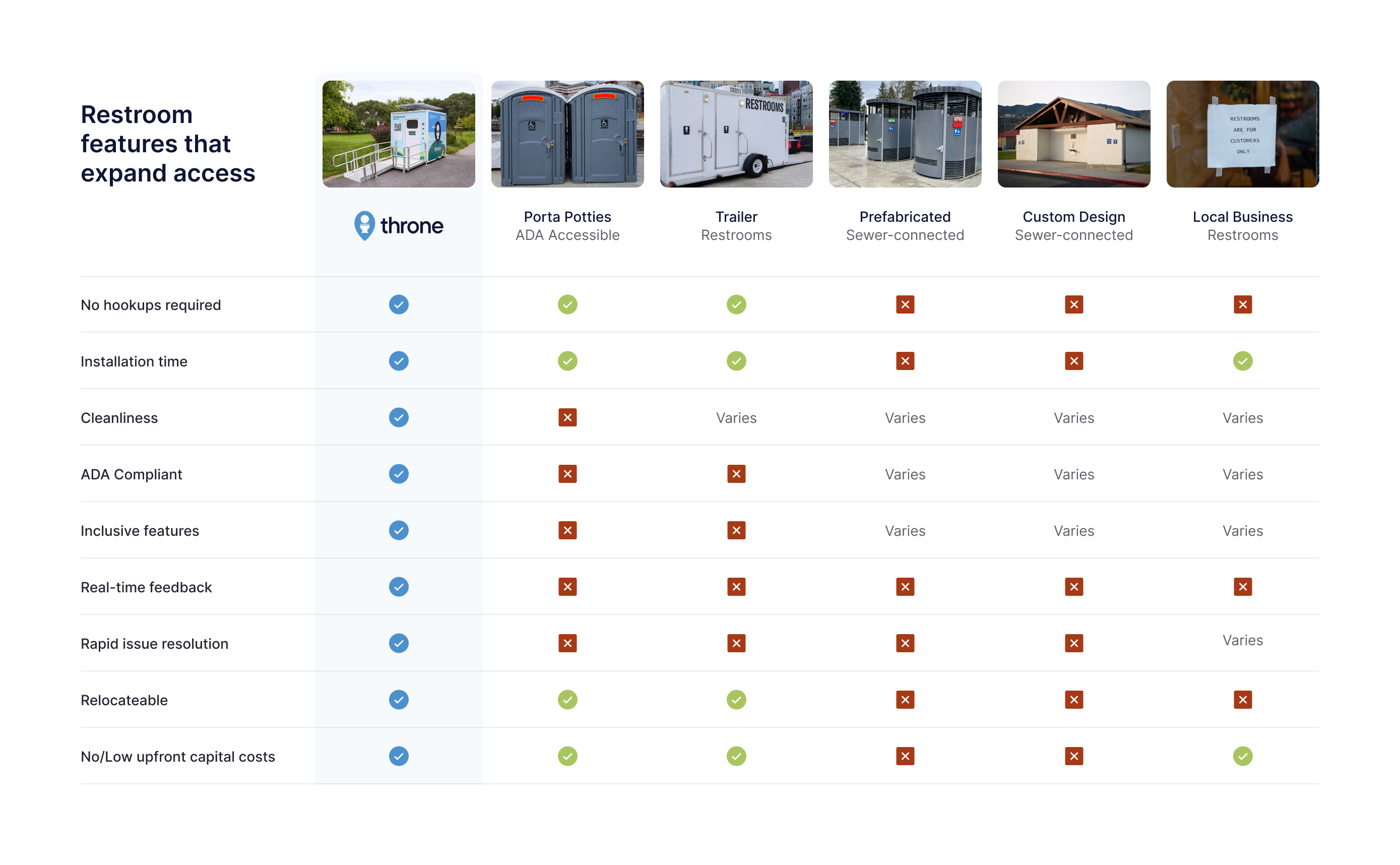
There are a few things that separate public restrooms that look good on paper from restrooms that meaningfully expand restroom access for everyone in a community.
Siting flexibility
Restrooms that aren’t dependent on city utilities can be placed wherever the need is greatest and where plumbed restrooms can’t go, like boardwalks, street corners, parking lots, and fields.
Deployment speed
The sooner restrooms are deployed, the sooner people can use them. Restroom projects that are tied up in permitting or construction aren’t serving the public.
Maintenance simplicity
A restroom that’s frequently closed for long-term repairs is a burden on both city staff and the public. Anti-vandalism features and easy-to-replace modular parts reduce repair time and minimize closures.
Inclusive features
Many restroom options are now ADA accessible, but few include features like baby changing tables, menstrual product dispensers, and Navilens technology for people who are blind or have low vision – making them accessible for more people.
Cleaned multiple times per day
Public restrooms get dirty, fast. They need to be cleaned often, especially if hundreds of people use them each day. Restrooms that get cleaned multiple times a day stay usable and available all day long.
Uptime visibility
The lifespan of a restroom might indicate how durable its materials are, but uptime reveals how usable the restroom really is. If a unit is closed for repairs, too dirty to use, or occupied by overstayers, then it’s not accessible – no matter how durable.
Relocatable
As a community grows and changes, so do its restroom needs. Restrooms that can be relocated to high-need areas are smart, strategic investments that serve more people over time.
6 public restroom options to consider for your community
ADA-accessible porta potties
.jpg)
Porta potties are the cheapest and fastest way to expand restroom access in the short-term. Some units are marked as ADA accessible, though fall short of full ADA compliance, and few include inclusive features that make a restroom work for parents, people who menstruate, or people who are blind or low vision.
A single unit handles about 100 uses per day, and may get serviced once a day depending on the vendor. Most include hand sanitizer, but no sink. Porta potties are easy to deploy and relocate, but ultimately not a viable long-term solution to expand restroom access in a community.
Restroom trailers
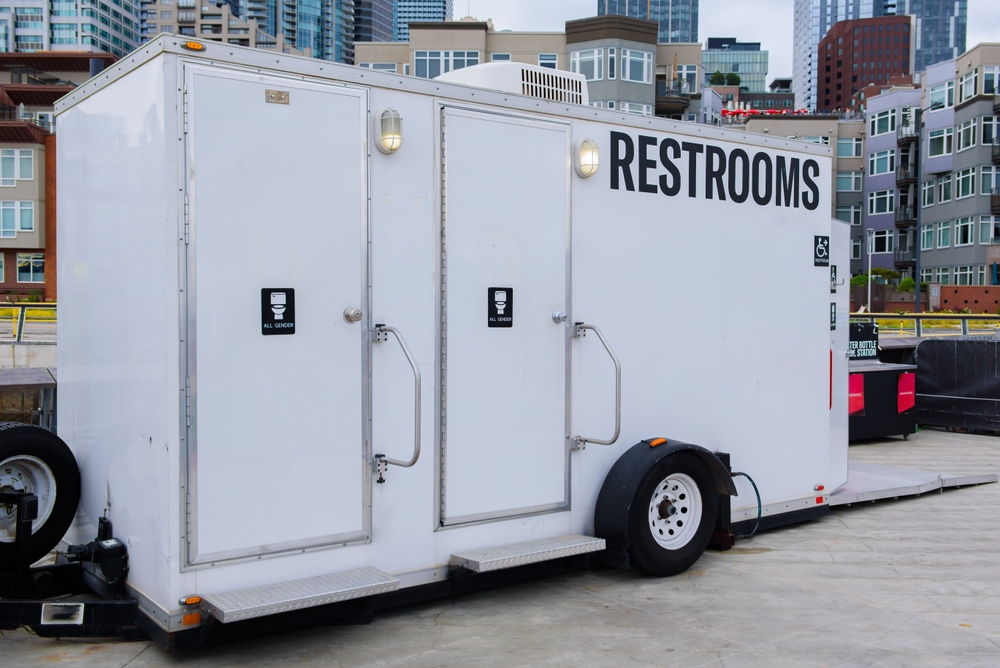
Portable restroom trailers are a step up from porta potties. They’re self-contained, climate-controlled units with two or three stalls, working sinks, and ADA compatibility in some models.
Each trailer handles upwards of 300 uses per day. The standard service model usually includes one full-service maintenance per week, but additional janitorial and technician services are sometimes available at an additional cost depending on the vendor. Without self-cleaning or touchless features, restroom trailers need to be cleaned several times a day, especially in high-traffic areas.
Restroom trailers are good for events and could be a longer-term solution with the right vendor committed to cleaning units multiple times per day.
Prefabricated, sewer-connected restrooms
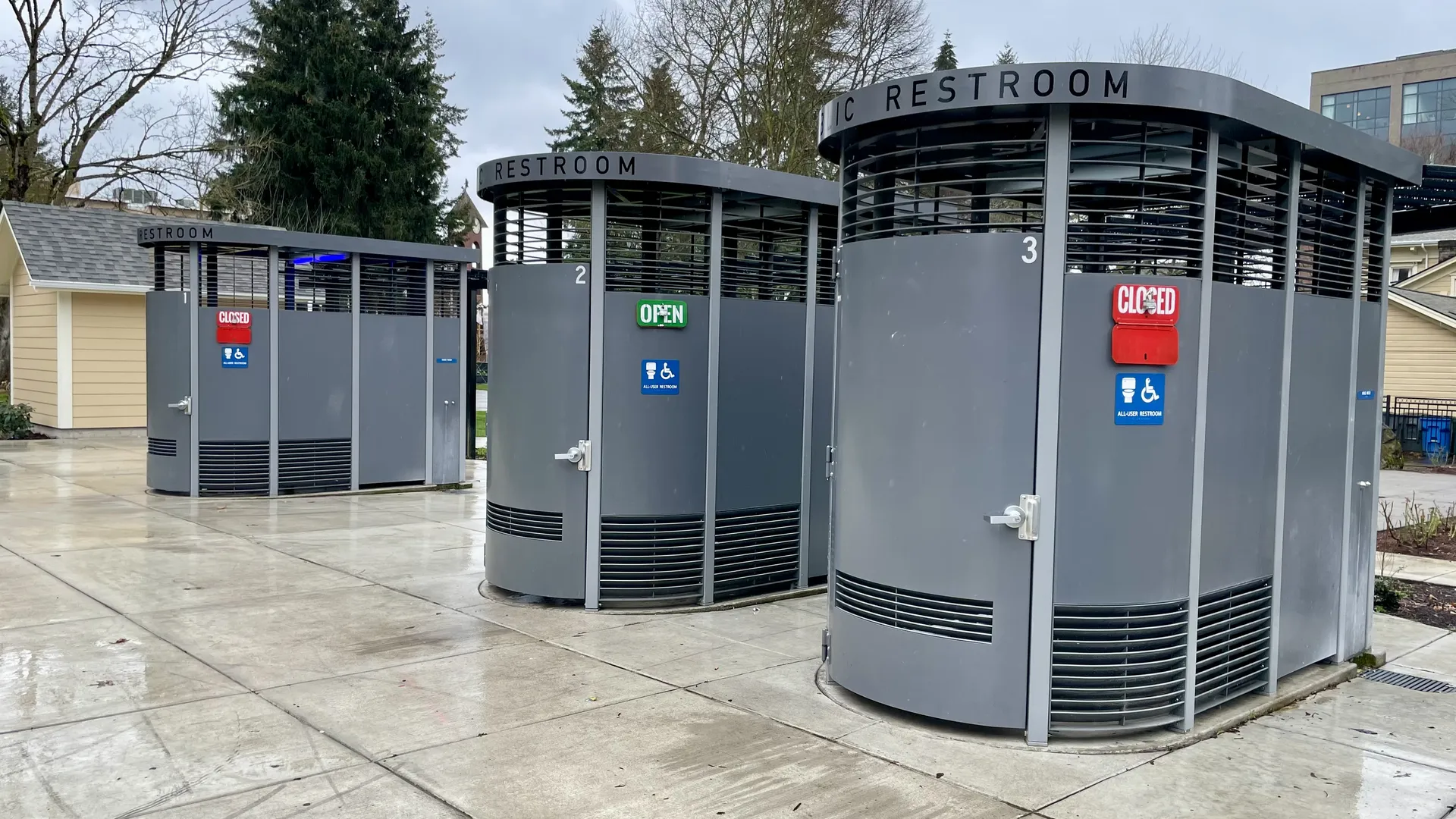
Pre-fabricated, sewer-connected units are free-standing outdoor restrooms permanently tied into a city’s water and sewer lines. Some are automated public toilets (APTs) that spray and sanitize the toilet seat between uses. Others are simpler stainless steel stalls with no technology at all.
Because they require utility connections, each restroom project goes through a full construction and permitting review process, which often delays deployment by months or years. Installation costs can run between $200,000 to $800,000 per unit depending on construction costs and the complexity of the site.
These units are built to last, so the location needs to be carefully considered before committing. They’re good alternatives to custom-designed, sewer-connected restrooms.
Custom-designed, sewer-connected restrooms
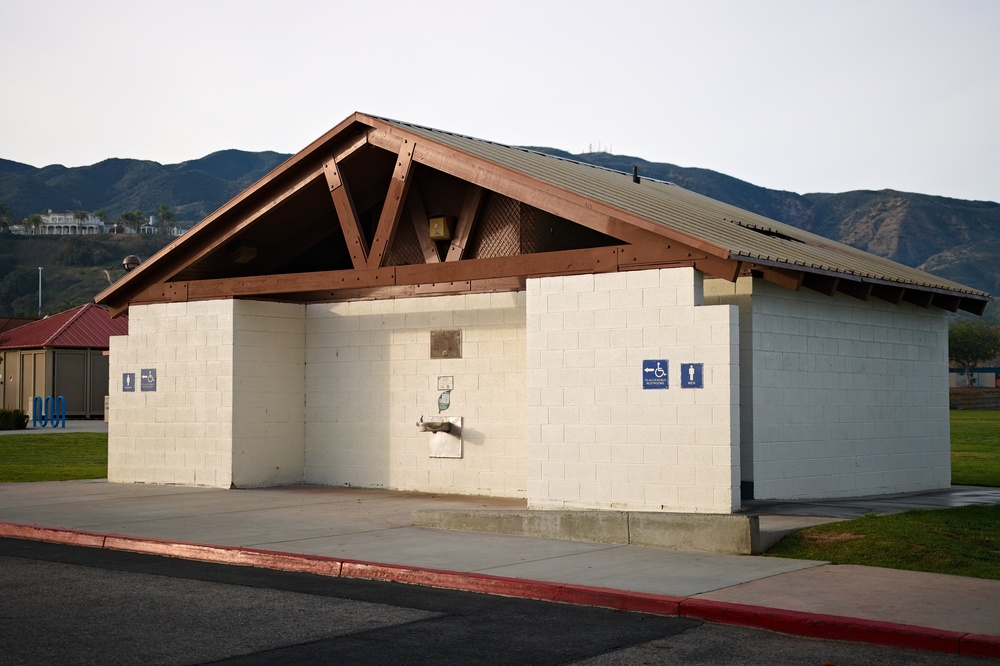
Building a restroom facility gives a city full control over design, capacity, and accessibility, but it’s a significant capital investment in both the short and long term. Costs continue long after the ribbon cutting.
Annual operating costs can run upwards of $500,000 for a single, high traffic restroom in a large city. If budgets tighten or staff turnover, cleaning and repairs can quickly fall through the cracks.
Custom-designed, sewer-connected restrooms provide permanent, long-term restroom access to communities, but require prioritizing ongoing maintenance budgets to keep them operational long-term.
Partner with local businesses
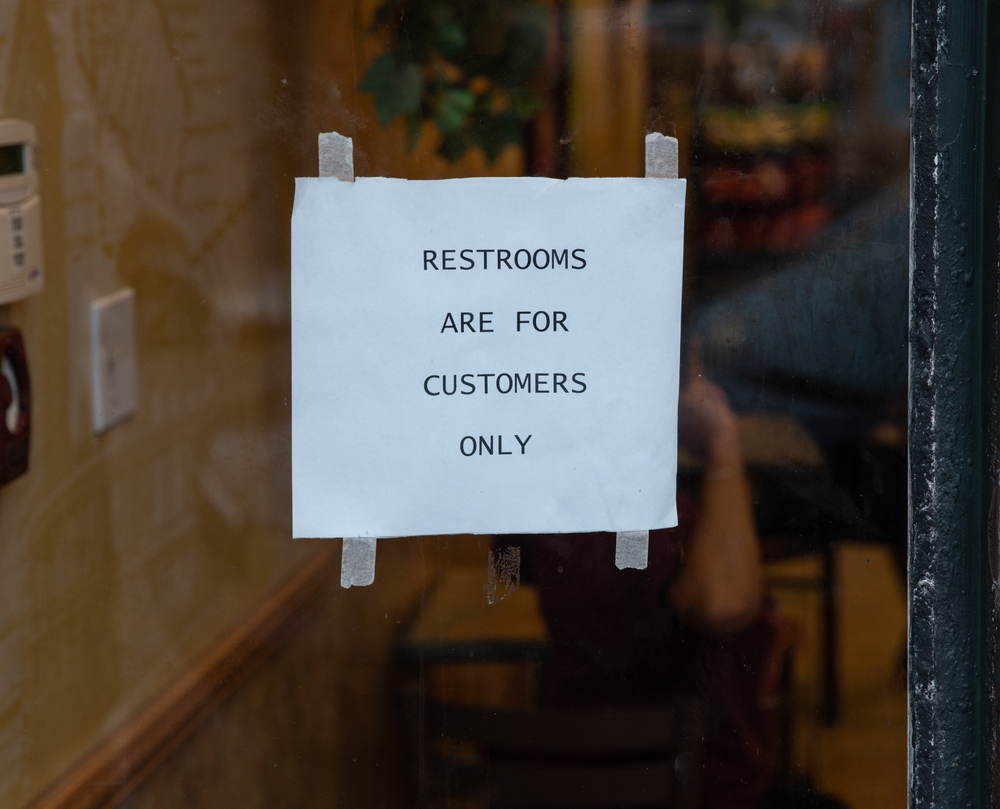
One of the fastest ways to add restrooms to a map is to partner with local businesses. Because public restrooms are few and far between, many businesses already serve as de-facto public restrooms.
A 2025 survey of 33 businesses in Washington D.C. showed that only 35% of businesses allow non-customers to use their restrooms and 77% wouldn't open them to the public regardless of city incentives.
“There’s a big difference between accessing a free public restroom and asking for a restroom key card or having to pay half of all the money you made that day on a coffee in order to use the restroom” — Fletcher Wilson, Co-founder and CEO of Throne
Formal partnerships between cities and organizations, like Downtown Development Authorities, can work to expand restroom access, but will require significant coordination and goodwill between parties.
Prefabricated, self-contained restrooms with responsive cleaning
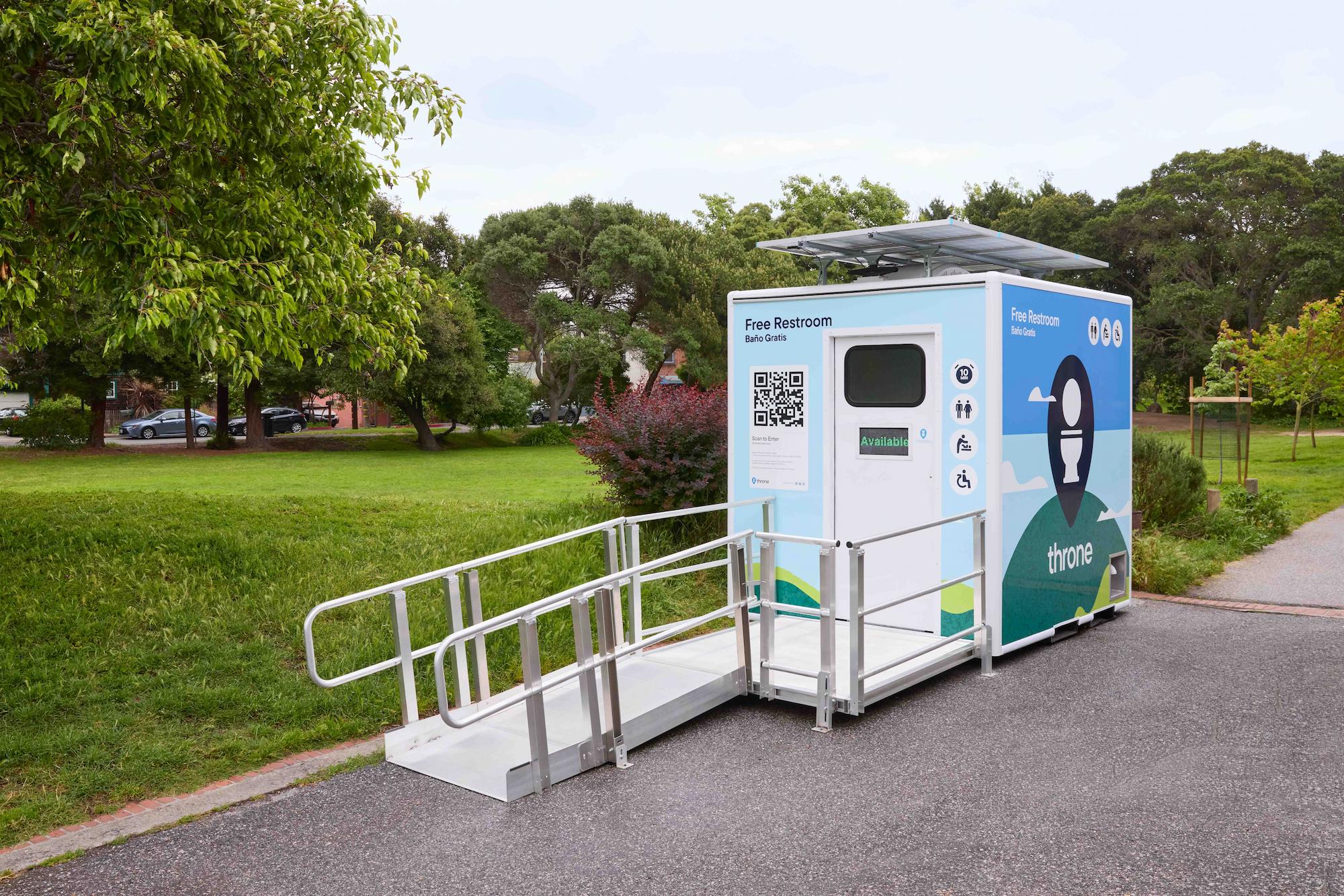
Throne is a self-contained, accessible, and fully managed public restroom intentionally designed to help cities rapidly expand public restroom access.
- Sets up almost anywhere - Thrones don’t tie into water or sewer lines, so cities can place them where the need is greatest: boardwalks, street corners, parking lots, transit stops, and fields where a plumbed option was never an option.
- Deploys in hours - Our local Operations team delivers and sets up each Throne so it’s ready to use the same day.
- Responsive cleaning multiple times a day - Our team cleans on average every 11-16 uses depending on usage rates. Real-time user ratings tell us when a unit needs attention.
- Repairs on site - Thrones are equipped with anti-tampering and anti-vandalism features to limit damage and are built with modular parts to quicken repair time. Sensors in the unit detect smoke, monitor water levels, and alert us to any potential damage.
- Designed for everyone - We voluntarily meet ADA accessibility requirements and conform to ICC A117.1. Each Throne also includes inclusive features such as NaviLens codes to support people who are blind or low-vision, a baby changing table, and optional menstrual pad fdispensers and sharps containers.
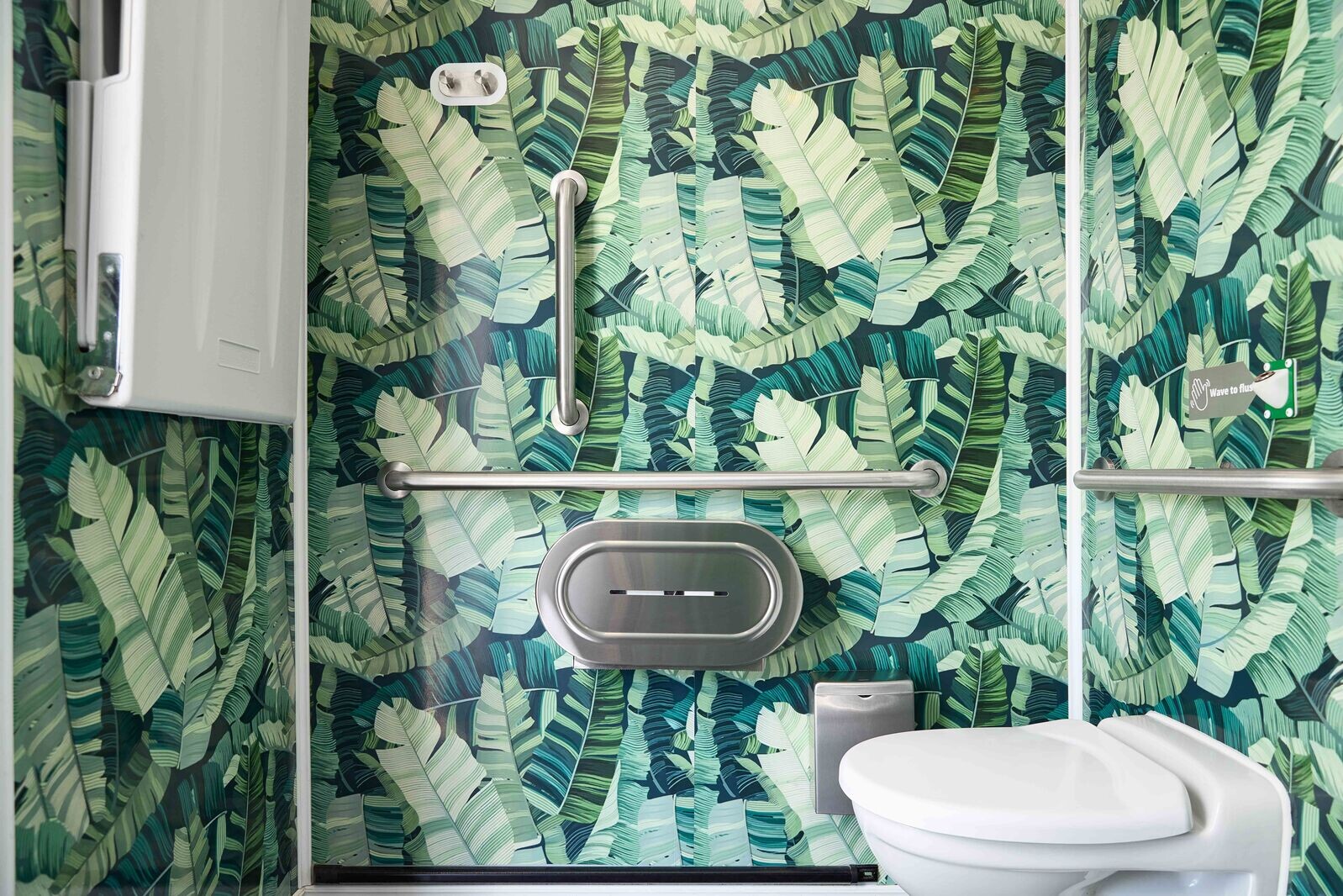
- Delightful to use - Most people expect the worst from a public restroom, which is why we designed Throne to be a delightful place for anyone to go. Touchless features, nature-inspired wall coverings, robust ventilation, bag hooks, porcelain toilets, and background music – all make for a comfortable, enjoyable restroom experience.