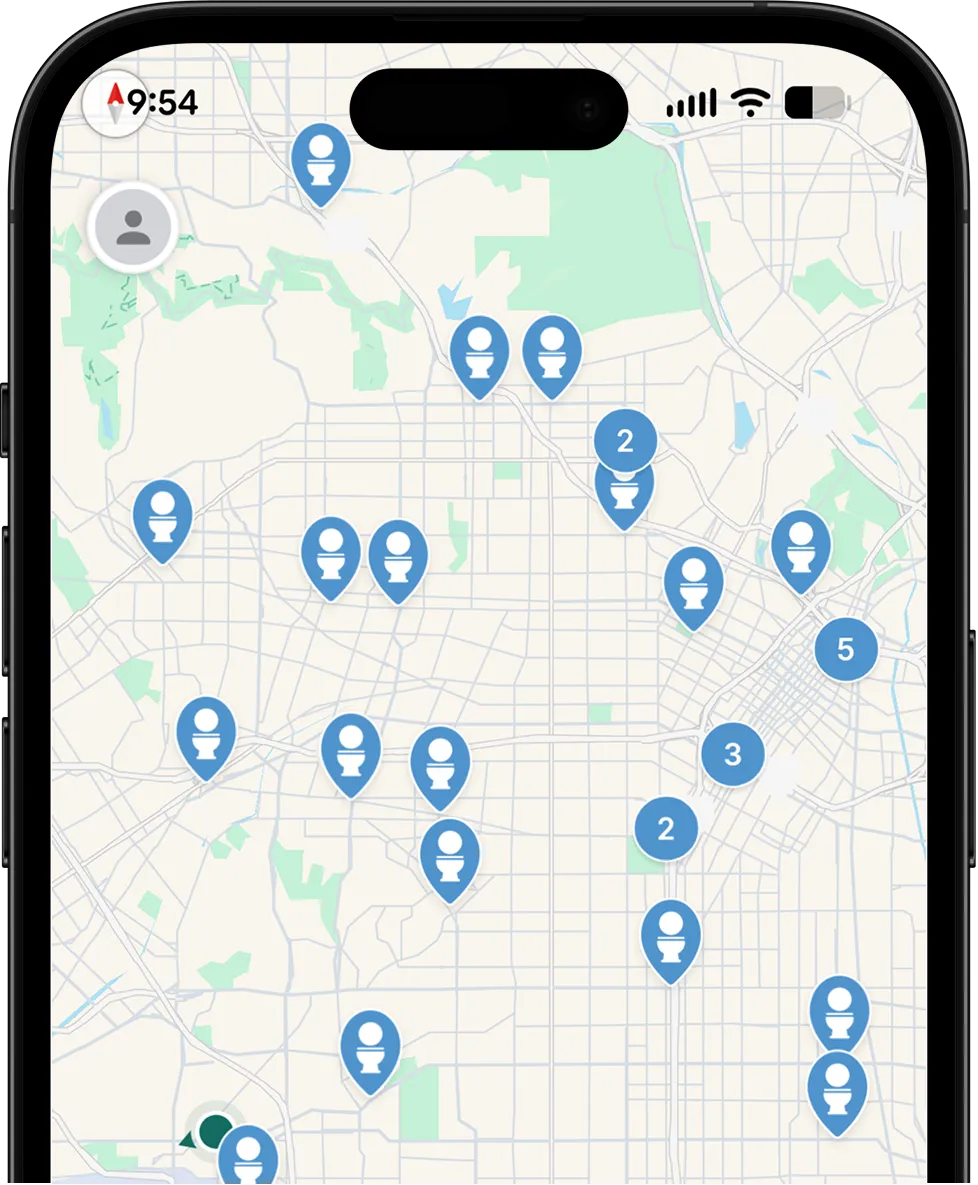
Where have all the public restrooms gone in the U.S?
Written by: Heather R. Johnson
If you’ve ever searched frantically for a public restroom in the U.S., you know how hard it can be to find one. Clean? Stocked with TP? Good luck. That kind of public restroom access is typically reserved for paying customers of a restaurant or coffee shop... if you're lucky.
It wasn’t always this hard to find a public restroom in the U.S. What happened?
Who’s responsible for public restrooms in the U.S.?
Turns out, state and local governments typically fund and maintain public restrooms, and most U.S. agencies simply don't prioritize this common need. “The U.S. government has never fully embraced toilets as a public good,” said public health law professor Rick Weinmeyer on the NPR podcast “Planet Money.” “It's just not been a priority. If you're worried about failing schools, public toilets don't necessarily capture the imagination of politicians or of constituents.”
Good point. However, other countries have figured out how to have both reasonable public restroom access and other necessities and funding priorities.
According to an analysis by QS Supplies, a residential bathroom product supplier, the U.S. ranks #31 on its “World Public Toilet Index.”
Toilets per 100k population

The U.S. has 8 toilets per 100,000 people, whereas the UK has 15, Canada has 18, and Australia has 37. What gives?
The rise and fall of "pay to pee"
Near the turn of the 20th century, industrialization, immigration, and a lack of plumbing led to a serious pee problem. To keep cities cleaner, officials started installing free “comfort stations.” These basic loos were soon followed by swankier pay toilets: think soap and towels.
By the 1960s, the U.S. had thousands of toilets. One estimate cites about 50,000 pay toilets in the U.S. in 1970.
But two anti-toilet efforts flushed that system:
- Assemblywoman March Fong Eu criticized the system for forcing women to pay while men could use free urinals.
- Four high schoolers founded CEPTIA (Committee to End Pay Toilets in America) and sparked a nationwide push for free access.
Other groups followed their lead and, without supplemental revenue to support restrooms services, cities started removing public toilets.
Today, we have about half the number public restrooms — albeit free — than we did in 1970. And yet, our population has grown by 64%: from about 203 million to 333 million. To fill in the gap, we duck into coffee shops, gas stations, and restaurants, hoping an employee will give us the code.
How can we improve public restroom access?
Public restrooms are both a human necessity and a public benefit. But how do we get more without straining limited public resources? Fortunately, a growing number of local leaders have found a way to solve the public restroom access puzzle with help from Throne.
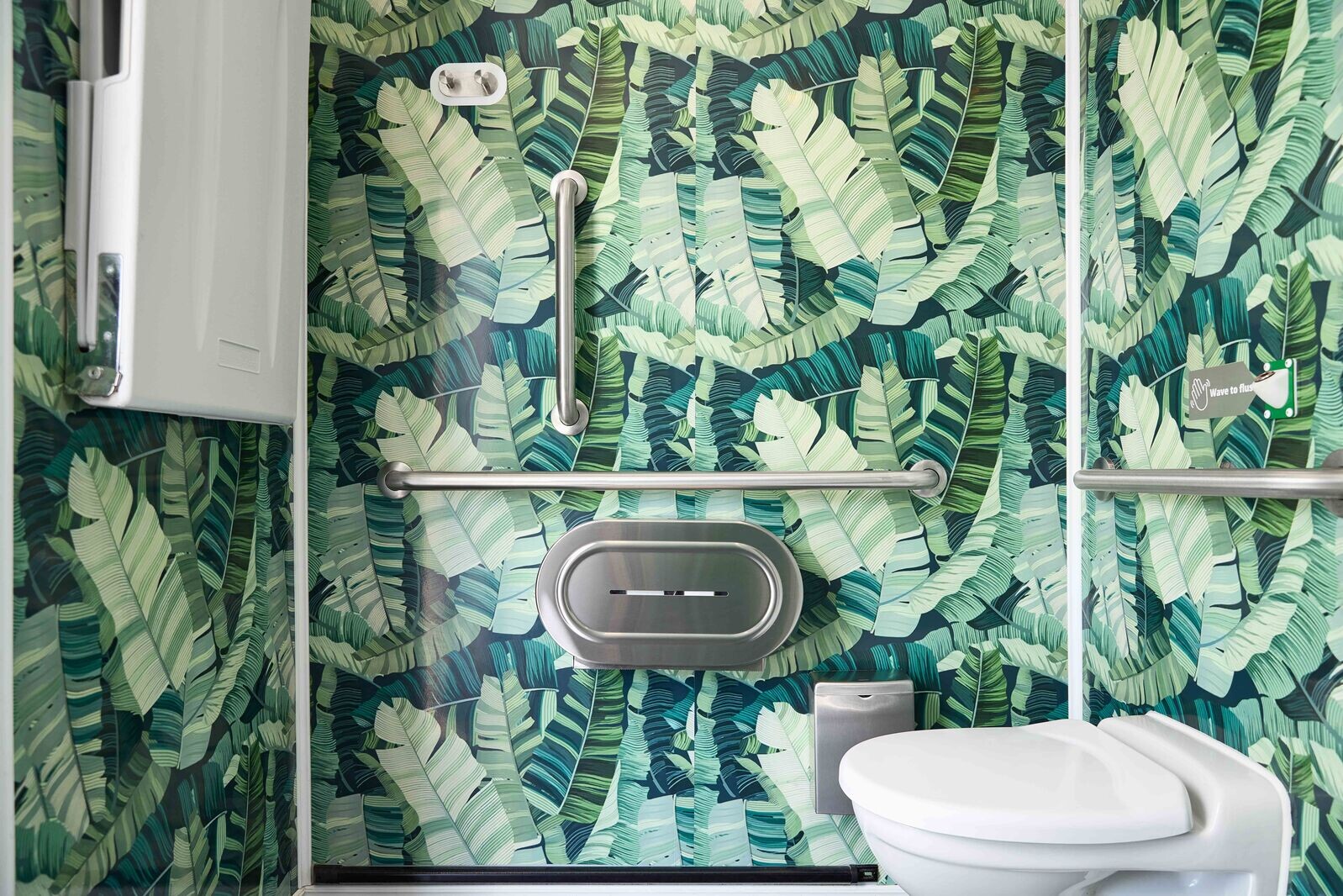
We equip cities and towns with smart, clean, and accessible restrooms that are free to use. Features include:
- Wheelchair accessible units with running water and touchless features
- All-inclusive cleaning, maintenance, and supplies
- Real-time cleanliness ratings from users
- Quick and easy installation that takes hours, not years
- Technology-enabled access and accountability
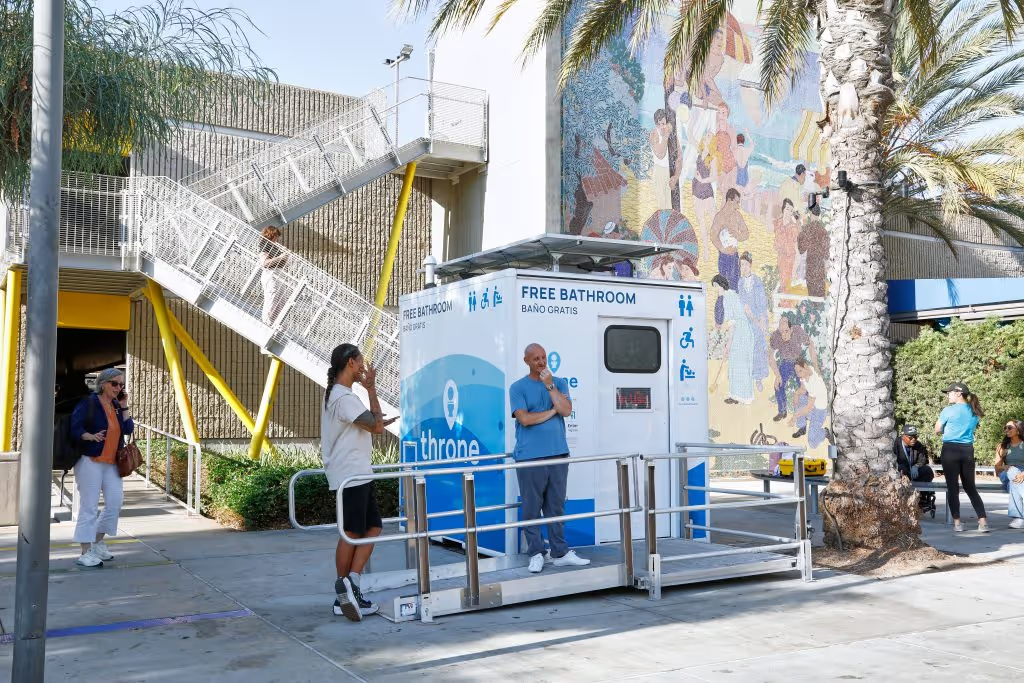
Unlike with traditional restroom solutions, cities and towns benefit from no upfront costs, predictable, all-inclusive fees (think five figures, not seven), and data-driven operations that take restroom management off their plates. Municipalities don’t have to stretch operational resources to keep their restrooms clean—we do that for them.
Communities then get the free public restrooms they’ve needed. And with an average 4.3 out of 5 cleanliness rating, residents and visitors trust public restrooms for the first time in decades.
"My city loves our Throne high tech toilets. Municipal bathrooms are a "must have" not a luxury item. Meeting basic human needs in our public spaces is the role of local government."
Mayor Catherine Read, City of Fairfax, VA
When you’ve got to go, Throne makes sure you have a safe, clean, accessible place—that’s always stocked with TP—to do your business.
---