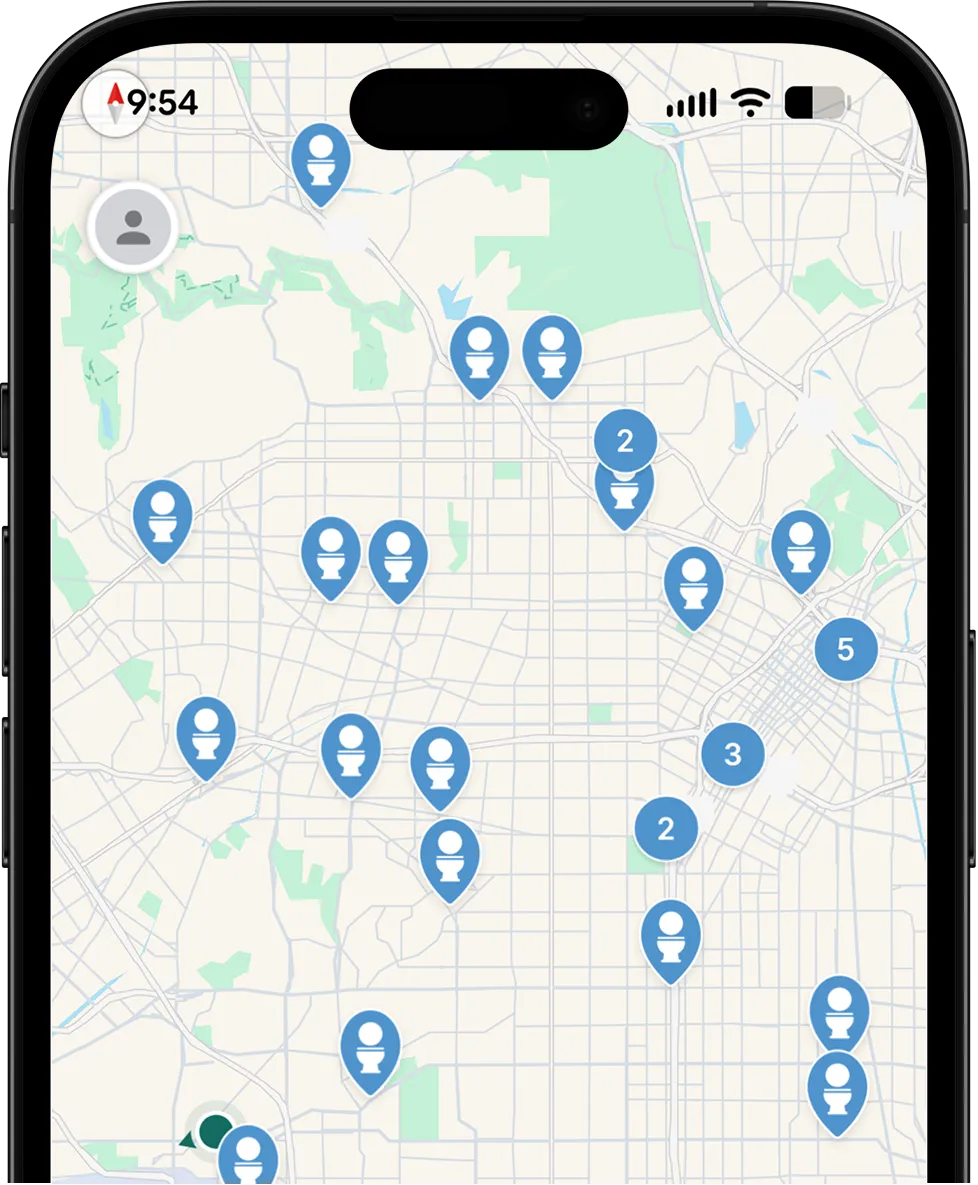
How do public restrooms lead to thriving communities?
Written by: Heather R. Johnson
Public spaces are an important part of thriving communities. When done right, local parks, waterfronts, plazas, and other central spots lead to healthier, more socially engaged residents.
What does this have to do with public restrooms? Plenty. Well-thought public spaces have an appropriate number of accessible public restrooms. That essential service isn’t just good for public health—it’s a driver for economic activity, equity, and urban vibrancy.
When city staff, business improvement districts, and urban planners work together to create places that truly serve human needs, it's called placemaking. We met many of these practitioners at the recent Michigan Municipal League and International Downtown Association conferences, and we're excited to share what we learned.
What is placemaking?
Placemaking is a community-first approach to designing public spaces that reflect local identity and invite human interaction. The concept dates back to the 1960s with urban thinkers like Jane Jacobs and William H. Whyte, who challenged car-centric city design and advocated for people-focused planning.
Today, placemaking plays a critical role in community revitalization efforts across the U.S., especially in a post-pandemic era where people crave connection more than ever.
How does placemaking support thriving communities?
The power of placemaking lies in its ability to turn underused areas into vital gathering places. It boosts quality of life and civic pride. It’s also good for business.
Benefits of placemaking include:
- Increased local investment
- Boosts to tourism and foot traffic
- Safer, more inclusive neighborhoods
- More jobs and economic activity
Public spaces designed with input from the community are more loved—and more used. They become spaces where people want to spend time.
What are some real examples of placemaking?
Detroit, Michigan
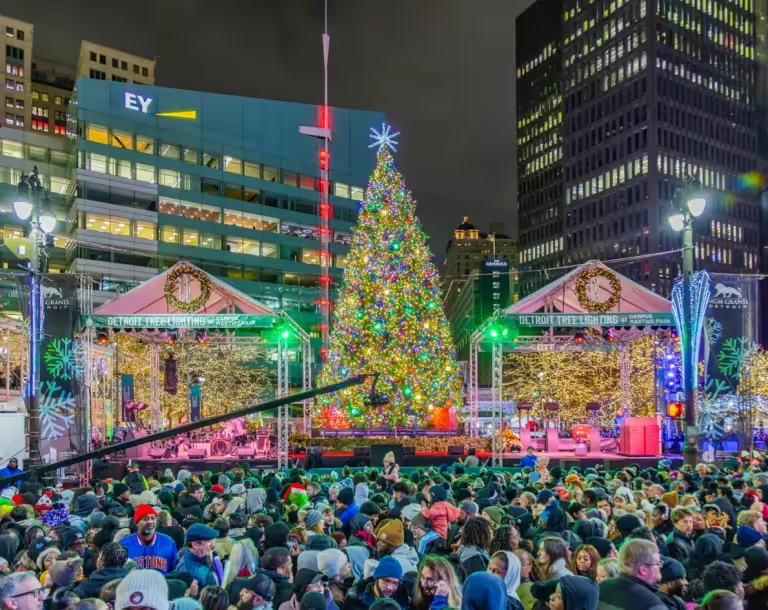
The city has turned vacant lots and historic sites into cultural gems. Campus Martius Park, for example, is a gem of urban revitalization that was named “Top Public Square” by USA Today.
Washington, DC
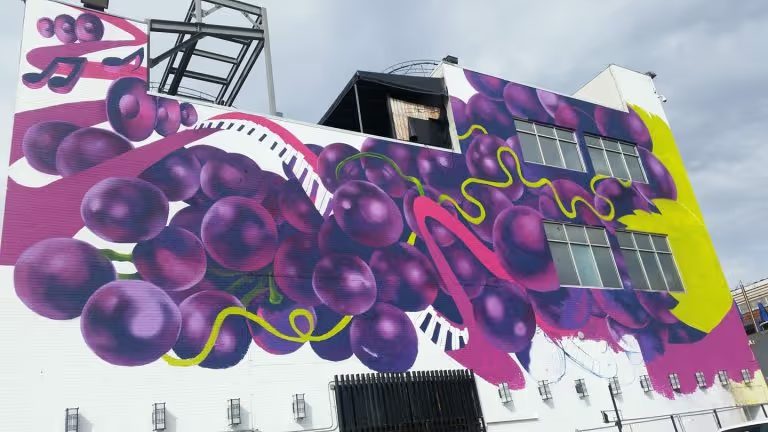
In Ivy City, residents collaborated on a large-scale community art project, creating a meaningful conversation about identity, pride, and the future of their neighborhood.
Tustin, California
A former military base is now Tustin Legacy—a walkable, mixed-use neighborhood featuring parks, housing, and shared spaces.
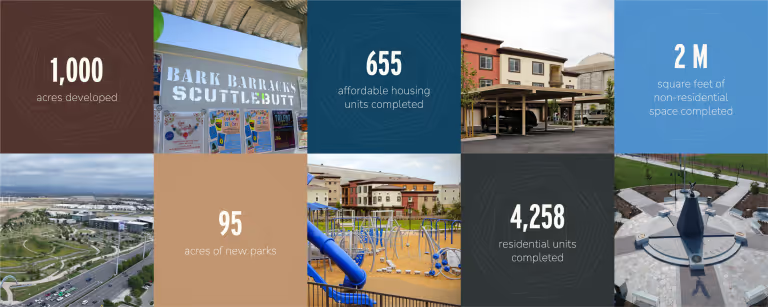
These transformations didn’t happen overnight. They were built on feedback, creativity, and a shared vision for better public life.
Why are public restrooms key to placemaking?
To improve a community’s social fabric, create economic impact, and elevate quality of life, public spaces must be welcoming, clean, and safe. Adequate public restrooms are central to that theme.
Think about it: if you have to plan your day around public restroom access, you probably won’t stay in one place too long. Or you’ll avoid places that might not have a place to go.
Hill Family Biking, a Washington, DC-based group that hosts monthly family group rides, realized this issue was limiting riders’ ability to socialize after rides. "Bikes bring us together, but lack of bathrooms at our destination can send families home just when the real community building is about to begin,” said Hill Family Biking president Mark Sussman.
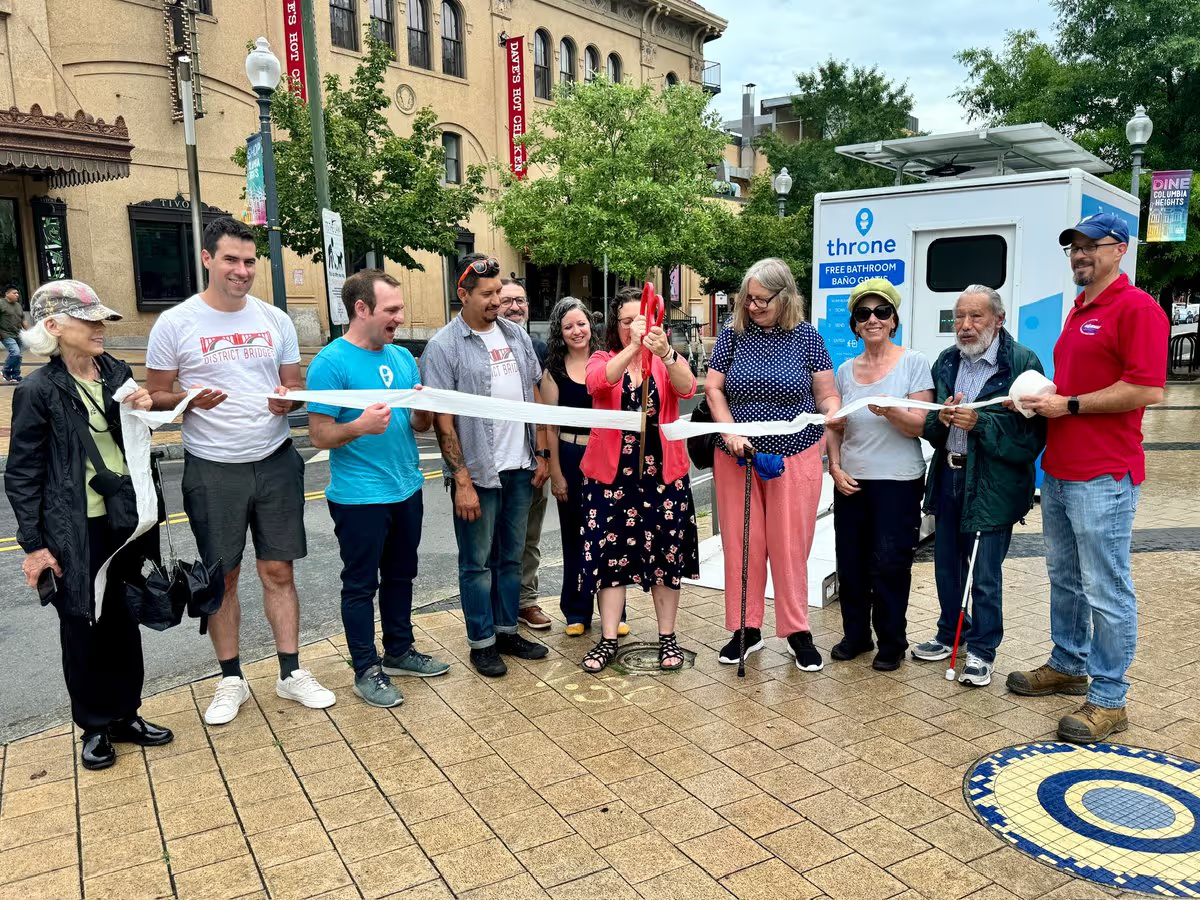
To create a more welcoming post-ride experience, the nonprofit rerouted some of its rides to end where the District of Columbia had installed public restrooms from Throne.
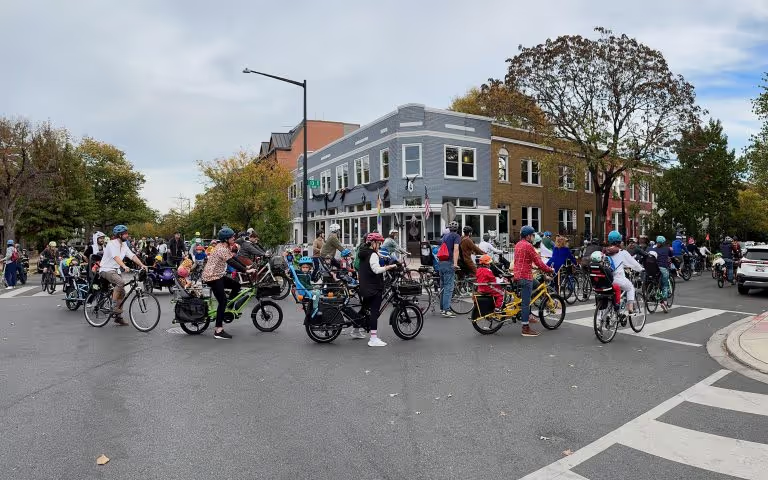
Turns out, riders hung around over three times longer when rides ended at a Throne spot vs. spots without public restroom access. That meant not only more time to make new friends, but more city engagement: one post-ride festivity featured a visit from the DC Public Library's cargo bike, while another included ice cream from a local shop.
How Thrones drive placemaking
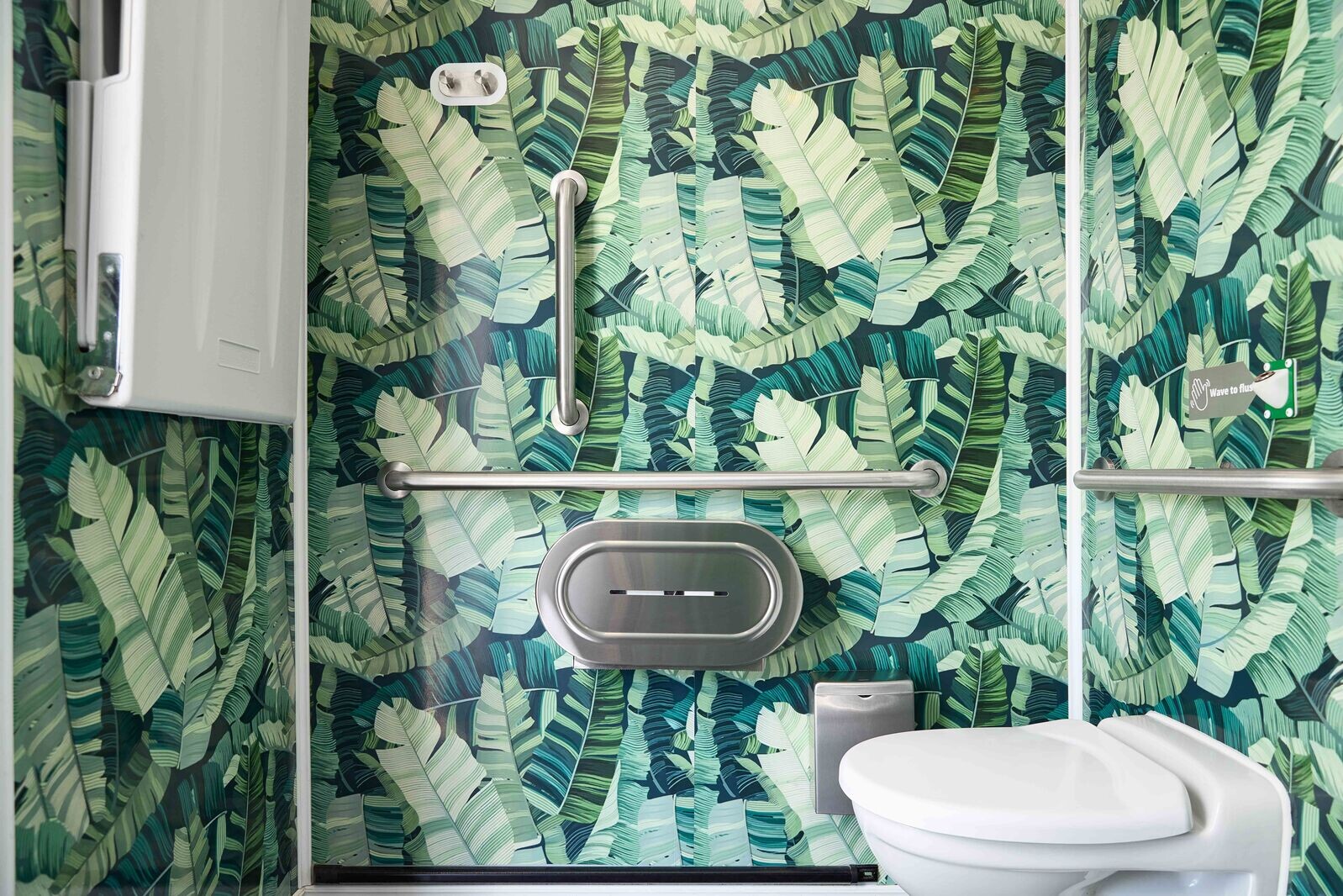
Throne restrooms are designed to be safe, clean, and welcoming places to "go." Since they're quick to deploy, they provide immediate community impact: people spend more time in public spaces, these public spaces stay cleaner, and local businesses don’t have to bear the burden of providing restroom access to non-customers.
The City of Martinez in Northern California, for example, recently replaced porta potties with a Throne in its historic downtown district. Now, instead of portable restrooms prone to vandalism and misuse, residents and visitors have a clean, safe restroom they can use any time.
For less than $100,000/year with no upfront costs, the city made it easier for people to shop and dine along Main Street. In only four months, the public used the Throne over 2,000 times with 32% of users being repeat users.
What do they love about it?
- They’re free to use.
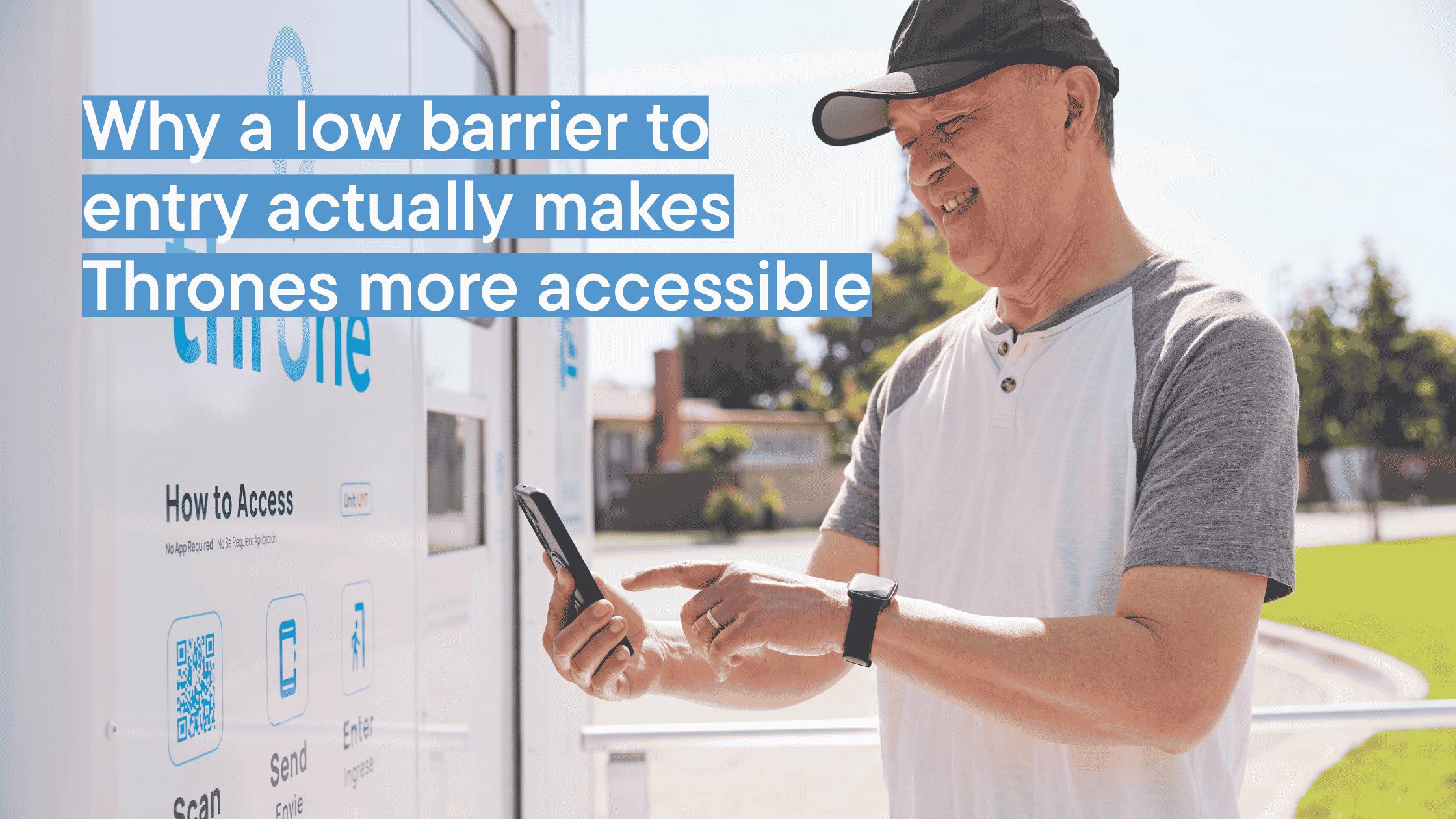
- They’re accessible, with a wheelchair ramp and multiple entry methods (QR code, app, phoneless entry card).
- They’re family friendly, with space for kiddos and a baby-changing table.
- On average, they’re cleaned and maintained by the local Throne team every 12 uses.
With a 4.3 out of 5 cleanliness rating and a 91% user satisfaction rate, Throne helps cities build safer, people-centric communities.
---
References:
- https://mml.org
- https://www.phdesigns.us/blo-posts/what-is-placemaking
- https://www.pps.org/article/what-is-placemaking
- https://washington.org/dc-neighborhoods/ivy-city
- https://www.tustinca.org/1322/Tustin-Legacy
- https://downtowndetroit.org/experience-downtown/downtown-detroit-parks/campus-martius/
- https://themetrodetroitnews.com/24-7-free-smart-bathrooms-launch-in-downtown-detroit/