City People Podcast Recap: What happens when cities don't provide public restrooms?
.avif)
Written by: Jessica Heinzelman, Co-Founder & COO at Throne Labs
When Sam Roxas and Warren Logan set out to record an episode of their City People podcast, they chose a location that perfectly illustrated the problem: Awaken Cafe in downtown Oakland—the only publicly accessible restroom within half a mile, despite being surrounded by City Hall, federal and state buildings, and major transit routes.
City People is a show about the joy, chaos, wins, and mishaps of cities and the people who make it all work—where community, policy, planning, and culture meet. For this episode, they invited Throne Labs for a conversation about an issue that affects everyone but that most people have given up on: access to public restrooms.
We highly recommend watching (or listening) to the full episode, but if you want the cliff notes…
Five Key Takeaways from the Conversation
1. The problem is universal–but invisible
The lack of public restroom access goes far deeper than most people realize. Parents miss half their kids' game because they have to take a younger sibling home to use the restroom. People with IBS or other GI conditions avoid going out during flare-ups. Women deal with bladder control issues after pregnancy. Gender non-conforming people seek single-stall facilities. Uber and delivery drivers work from their cars without access to office bathrooms. Older adults face mobility challenges.
Yet we don't talk about it. As Warren put it, "It is such a common issue that I think we've all given up." Everyone needs to use the bathroom six to eight times a day, yet we've completely normalized the lack of access.
2. Small business have become unpaid public infrastructure
Cities have effectively outsourced essential public infrastructure to private businesses without compensation or support.
Awaken Cafe sits directly across from Oakland City Hall, serving as the de facto public restroom for the neighborhood—city employees, people on first dates, residents running errands, and everyone in between. Cafe staff have become "janitors in ways that they're not equipped or necessarily responsible for... they're emergency responders in worse situations," as Warren and Sam observed.
Owner Cortt Dunlap explained his approach: "My policy has always been... People should be able to shut a door and use the bathroom." But he's paying a heavy price. Between vandalism incidents—including someone literally breaking chunks off his toilet and sink—and the constant demand, it's expensive and difficult. Yet as Cortt noted, "I understand why people start to turn to [not] allowing access to the bathroom. It makes sense... I wouldn't fault anybody who wasn't [willing to provide access]."
Jump to 34:12 to hear about the vandalism at Awaken (spoiler: did a T-rex do that?).
3. Dignified access enables public life (not just sanitation)
Access to clean, safe restrooms fundamentally changes how people can engage with their community. With reliable bathroom access, people can eat lunch outside with friends, linger while shopping, attend outdoor events, and participate in community life without constant anxiety.
In communities with higher rates of homelessness, Warren rightly observed, "You can't simultaneously be angry that someone is sh*tting on the sidewalk when we haven't provided a place for people to ‘go’ in a dignified manner." Street sanitation issues are a policy failure, not an individual moral failing. Providing safe, clean restroom access isn't just about addressing visible problems—it's about enabling the kind of public life that makes cities vibrant and livable.
4. Traditional solutions aren't meeting public expectations
The conversation turned to Oakland's experience with a Portland Loo—a permanent, vandal-resistant stainless steel restroom that was supposed to solve the problem. Despite everyone agreeing bathrooms were needed in Frank Ogawa Plaza, implementation stalled over location debates. When one was finally installed at Lake Merritt instead, Cortt reported it's "almost always out of order every time I've been by it or someone's living in it."
Traditional city-maintained restrooms often fail because they lack consistent maintenance and accountability. As Cortt observed, "You can't just plop down one of these bathrooms without having maintenance, either someone standing there with it or multiple times a day someone checking on it."
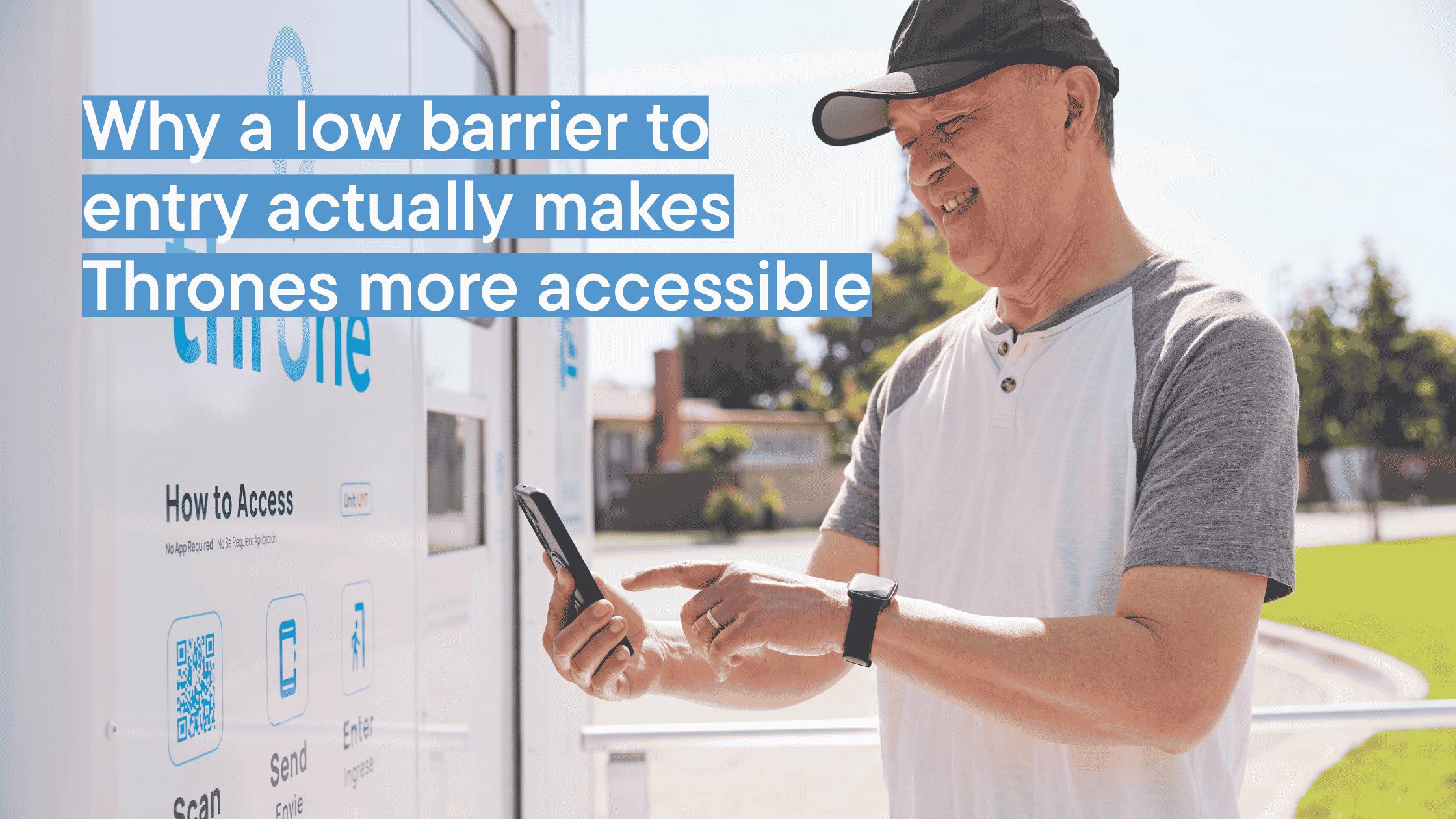
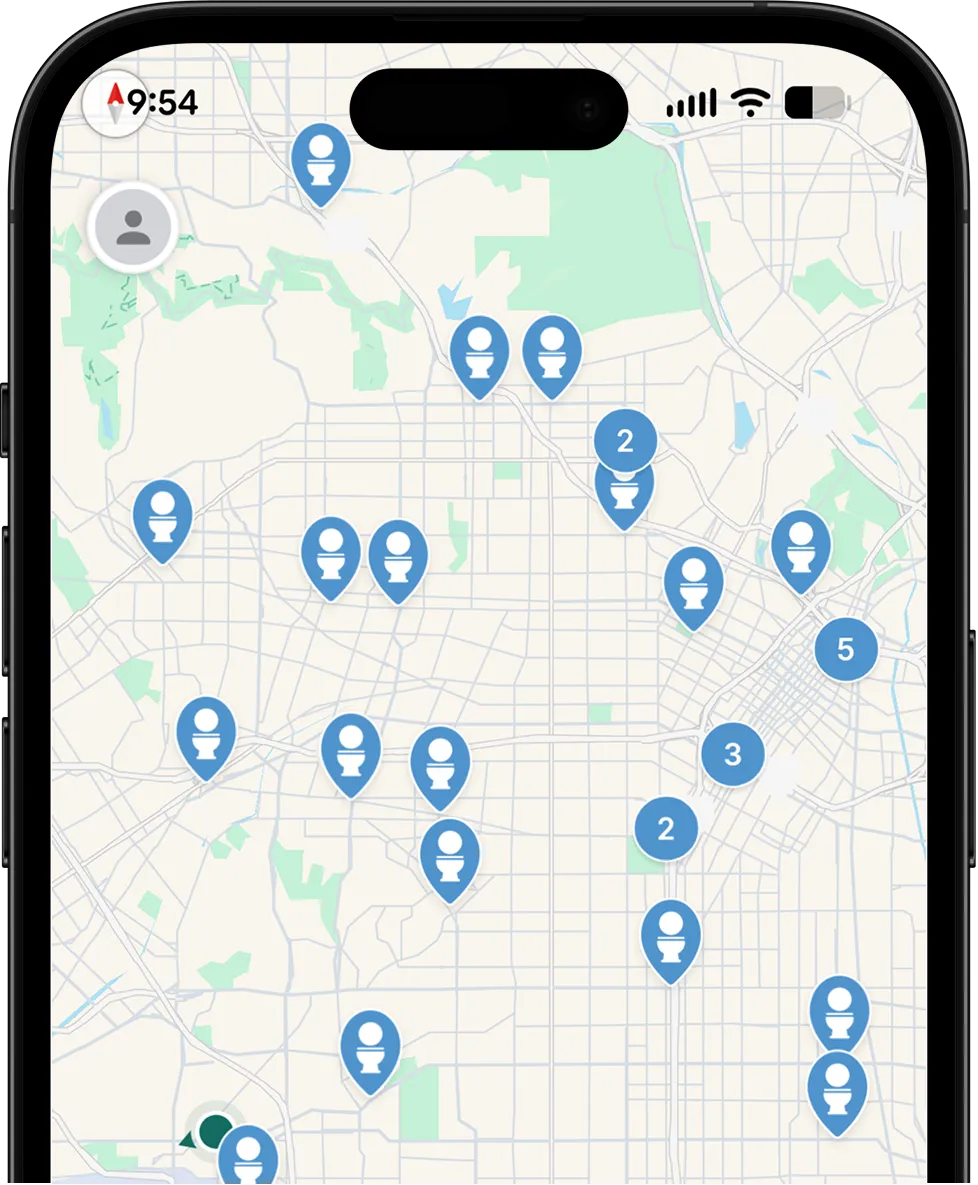
Solutions like Throne use data to optimize placement, promote accountability, and design a restroom experience focused on dignity and accessibility. They’re overcoming these challenges—even in the most demanding environments.
Hear the Frank Ogawa saga at 23:37 here.
5. City officials: Silence doesn't mean there's no need
Perhaps the most critical message for decision-makers: restrooms are often not a budget priority because few constituents are actively asking for them.
But silence doesn't mean there's no need. People have given up because public restrooms have become a last resort—facilities that are broken, dirty, or unsafe. Meanwhile, people with means simply buy a muffin to get the bathroom code or pretend they're customers to access a cafe restroom.
There's another side to this story: public restroom access can be a winning issue. The mayor of Fairfax, Virginia was elected on a platform that included a commitment to provide more restrooms. When officials bring quality of life improvements to their communities, everyone wins.
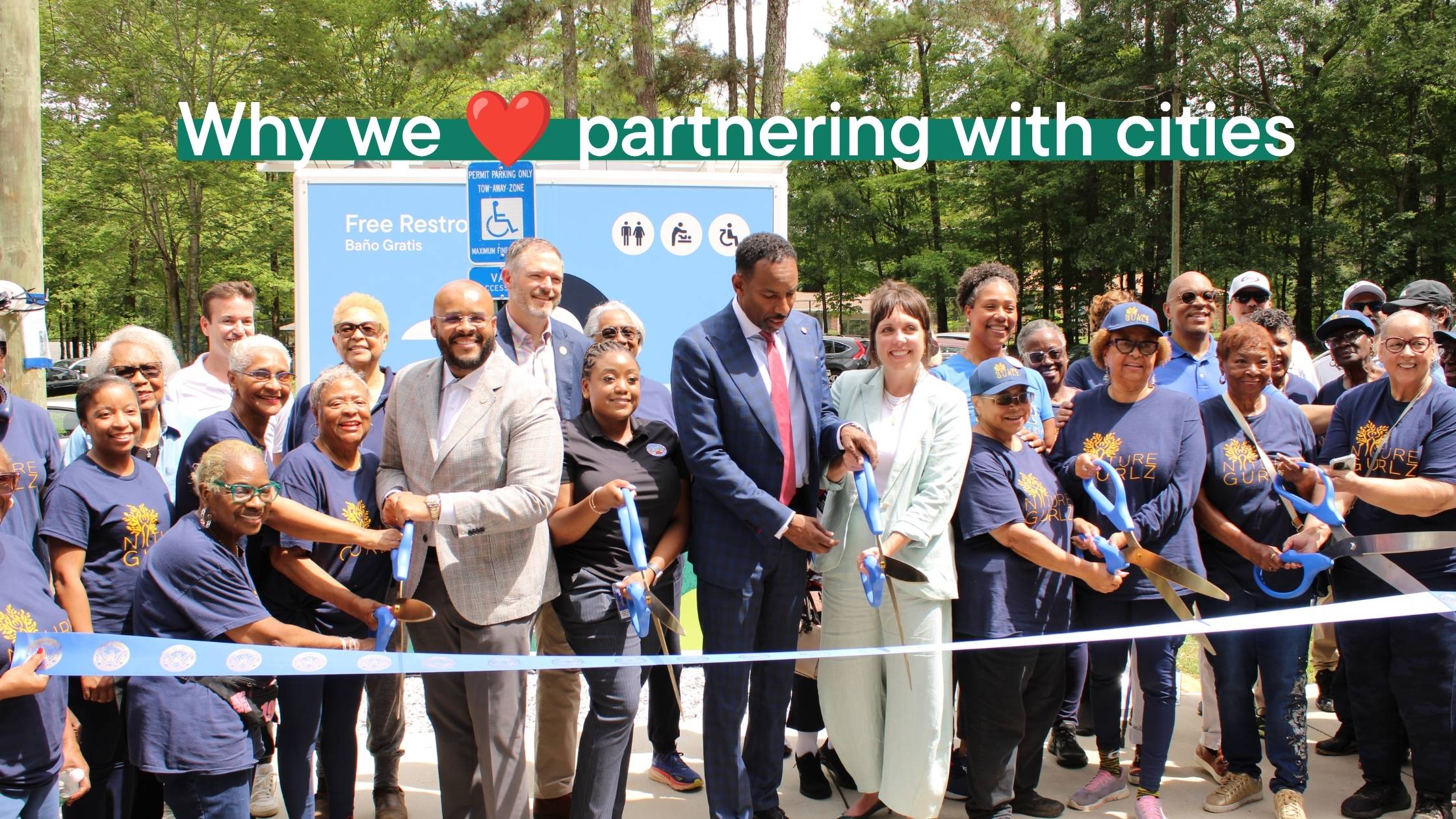
Take Berkeley's Civic Center Plaza, where a Throne serves a true cross-section of the population—from the farmers market on Saturdays to high school students eating lunch to people accessing the unhoused service center nearby. This is what modern public infrastructure looks like: flexible, data-driven, and designed to serve everyone with dignity.
City People suggest that cities ask your community directly about their bathroom access challenges. Test solutions with data-driven, moveable infrastructure before committing millions to permanent builds. The demand is there, even if the calls to your office aren't.
Watch and Take Action
Want to hear the full conversation? Watch the complete City People podcast episode featuring Throne Labs.
If you're seeing the need for public restrooms in your community and want to explore smart, data-driven solutions that don't require millions in upfront capital investment, contact Throne. Let's work together to provide the dignified access to sanitation that every community deserves.